Facebook

WELCOME TO OUR BLOG

We're sharing knowledge in the areas which fascinate us the most
click

Why New Brake Pads Are Squeaking

By Lucas January 6th, 2026 1189 views

You Just Replaced the Pads — So Why the Noise?

The job’s done. New pads are in. The pedal feels firm and stopping power is solid.
Then the first cold morning stoplight hits — and there it is. A sharp squeak at low speed.

That sound immediately raises a red flag. New parts aren’t supposed to introduce new problems. Most drivers and counter pros hear it and ask the same thing: was something installed wrong?

Here’s the reality from the shop floor. Some brake squeal after a pad replacement is normal. Some is not. Knowing which one you’re dealing with is what prevents wasted time and repeat comebacks.

When New Brake Squeal Is Normal

New Pads Still Seating to the Rotor

Fresh pads and rotors don’t mate evenly right away. Until a proper transfer layer forms, contact pressure stays uneven. That uneven contact creates vibration, and vibration turns into noise.

You’ll usually hear it during light braking, rolling stops, or after a short city commute. In most cases, the sound changes or fades after 200–500 kilometers of normal driving.

If the noise shows up only under light pedal pressure and gradually changes with mileage, this is a true break-in condition.

Overnight Moisture and Light Rotor Rust

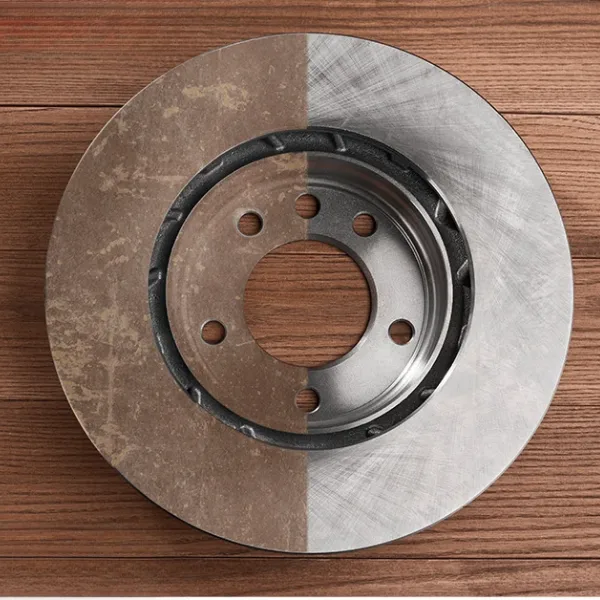
After rain, humidity, or an overnight cold soak, a thin rust film forms on the rotor face. The first few brake applications scrape it off.

You may hear a brief squeak or light scrape, then nothing.

If the noise disappears within the first few stops of the day, there’s no issue to chase.
Why New Brake Pads Are Squeaking due to moisture and light rotor rust

Pad Material Can Make Noise — Even When Everything’s Right

Semi-metallic pads handle heat and load well, but higher metal content increases high-frequency noise potential. Ceramic pads are typically quieter, though they come at a higher cost and aren’t always ideal for heavy-duty use.

Noise alone does not mean poor quality. Material choice should match vehicle load, duty cycle, and operating conditions.

Dust or Grit Caught Between Pad and Rotor

Brake dust, road grit, or debris can lodge between the pad and rotor, especially after highway driving or construction zones. Even a small particle can squeal until it clears.

If a few controlled stops make the noise disappear, debris was the cause.

When Brake Squeal Is Not Normal
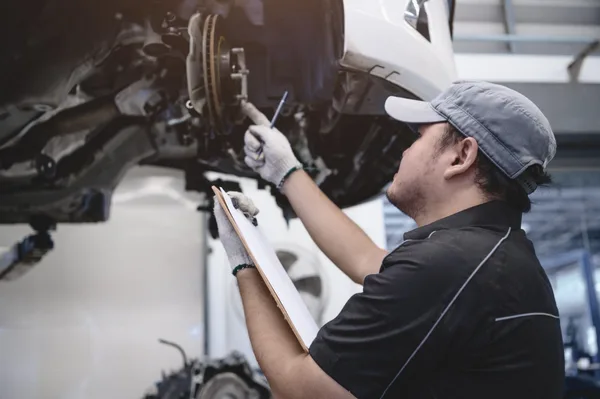
Why New Brake Pads Are Squeaking caused by improper brake hardware installation

This is where waiting stops helping, and where comebacks usually start if the noise is ignored.

Pads or Hardware Not Sitting Right

Pads that don’t slide freely, misaligned hardware, or calipers that aren’t square create uneven loading. That vibration does not wear itself out.

If the brake noise sounds the same after several days of driving, this is not a break-in issue. Waiting longer won’t fix uneven contact.

Dry Contact Points Creating Vibration

Caliper slides, pad backing plates, and hardware contact points require proper lubrication to control movement. Dry metal-on-metal contact turns vibration into squeal quickly.

Noise caused by dry hardware does not resolve on its own. Lubrication belongs only on contact points, never on friction surfaces.

Overheated Pads and Glazed Surfaces

Hard braking before pads are fully bedded in, long downhill runs, or heavy loads can overheat new pads. The surface hardens and glazes, reducing friction and increasing noise.

You’ll often hear this after a highway exit ramp stop or repeated short trips with aggressive braking. Once pads are glazed, waiting wastes time. The surface will not correct itself.
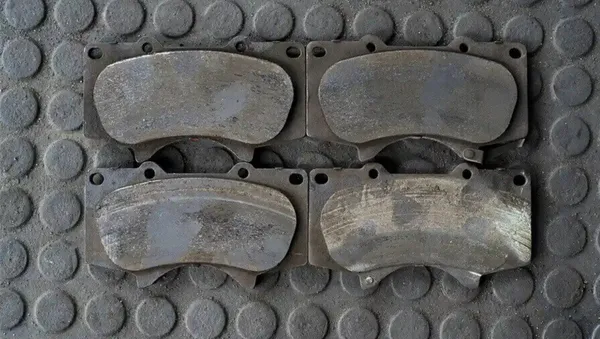
Why New Brake Pads Are Squeaking after overheating and brake pad glazing

Underlying Hardware Problems That Don’t Go Away

Warped rotors, seized caliper pistons, or slides that fail to retract keep pads in constant contact with the rotor. That constant drag creates heat, noise, and rapid wear.

Persistent squeal combined with heat or uneven wear is a system problem, not a pad problem.

What Actually Helps — and What Doesn’t

How to Drive During the First Few Days

Use smooth, progressive braking and avoid panic stops when possible. Let contact surfaces stabilize before heavy use. Short city driving with controlled stops beds pads better than aggressive highway braking.

Small Habits That Keep Brakes Quiet

Keep brake hardware clean. Check brake fluid condition and level. Maintain correct tire pressure to avoid unnecessary braking load. Small habits reduce noise before it turns into a complaint.

Weather and Parking Conditions That Trigger Noise

Expect brief noise after wet weather or overnight moisture. Long-term damp parking accelerates corrosion. Cold seasons expose marginal hardware quickly, especially slides and pistons.

FAQ

Is it normal for new brake pads to squeak after installation?
Yes, brief squeal is common during the break-in period or after moisture exposure. New pads need time to seat evenly against the rotor. However, noise should gradually change or fade. If the sound stays consistent after several days, it’s no longer normal and should be inspected.

Does brake squeal always mean poor installation?
No. Break-in noise, light surface rust, or pad material can all cause temporary squeal. That said, noise that does not change with mileage often points to alignment, lubrication, or hardware issues. At that stage, waiting longer does not solve the problem.

Can I fix brake squeal myself?
Minor squeal caused by moisture or debris may resolve with normal driving. Problems involving dry hardware, uneven pad contact, or glazed surfaces require proper tools and experience. These issues do not correct themselves and are best handled by a professional technician.

Is brake squeal a safety issue?
Break-in noise alone is not a safety concern. Grinding sounds, vibration, heat buildup, reduced braking response, or longer stopping distances are. Those symptoms indicate a mechanical problem and should be addressed immediately to avoid accelerated wear or brake failure.

How long should I wait before visiting a shop?
If brake squeal lasts longer than three to five days, remains consistent, or gets louder, waiting no longer helps. Noise that does not change with driving usually indicates a mechanical issue rather than normal break-in and should be inspected promptly.

Bottom Line From the Shop Floor

Some brake squeal after a pad replacement is part of the job. Some is an early warning that something isn’t right.

The difference is whether the noise changes. If it fades, it was break-in. If it stays the same, waiting wastes time and often leads to repeat repairs.

Experienced technicians understand brakes as a system. Pads, rotors, calipers, and hardware all share the load. Stable contact, proper fitment, and durable components prevent noise before it starts.

That same system thinking is why SUMATE focuses on controlled movement, consistent contact, and durability when engineering belt tensioners and rotating components. Because tools help diagnose problems, but sound judgment and reliable parts are what actually fix them.

Automotive engine belts diagram showing serpentine belt and timing belt locations
Previous
Automotive Belts: Types of Car Belts and Their Roles
Read More
Bad spark plug symptoms shown by worn and fouled spark plugs
Next
Bad Spark Plug Symptoms
Read More