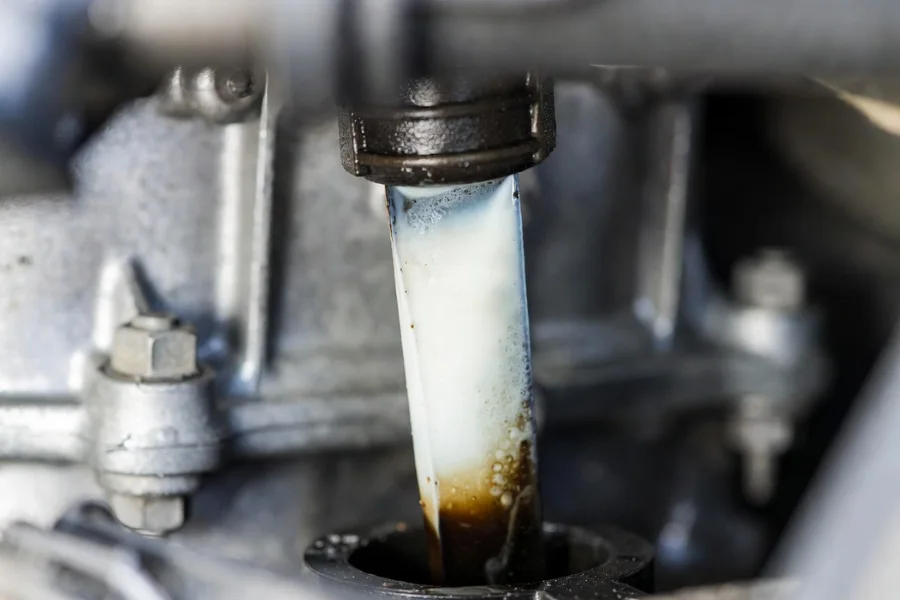
Noticing milky, frothy oil in your engine isn’t something to ignore. While engine oil is normally amber or dark brown, milky oil looks cloudy or creamy, like a light coffee or chocolate milkshake. This could mean coolant has mixed with the oil, which can cause serious engine damage if left unchecked. Here's everything you need to know about milky oil and how to fix it.

Milky oil isn’t just a cosmetic issue; it’s a sign something’s wrong under the hood. Instead of clear, amber oil, milky oil appears cloudy or frothy. You’ll likely spot it:
On the oil dipstick
Under the oil filler cap
Inside the valve cover
In the oil pan or oil filter
If you see this, it’s important to address it immediately to avoid serious engine damage.
Milky oil is usually caused by coolant mixing with the oil. Here’s what might be causing it:
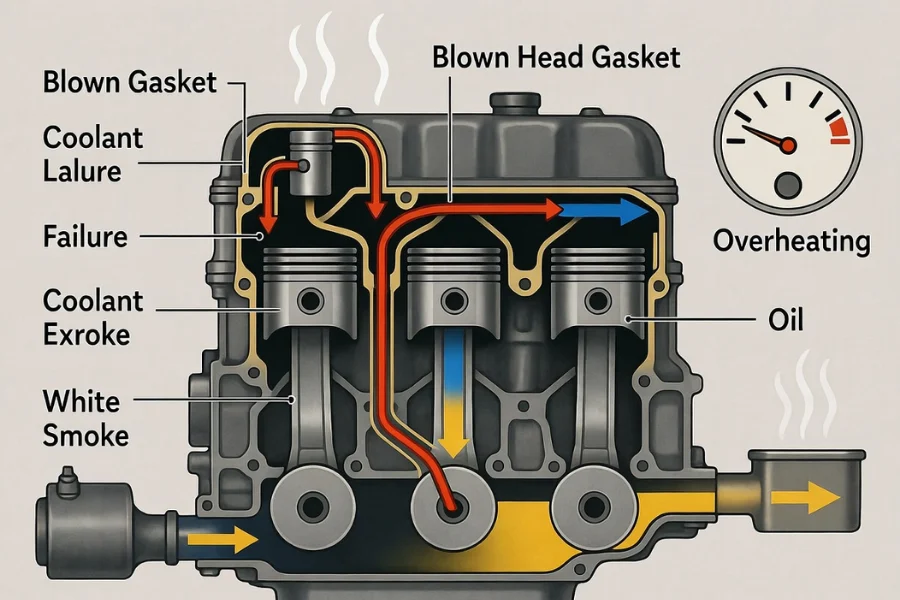
The head gasket seals the combustion chamber, preventing fluids from mixing. If it fails, coolant can leak into the oil passages, mixing with the engine oil and turning it milky. This is often accompanied by overheating, a drop in coolant levels, and white smoke from the exhaust.
A crack in the engine block or cylinder head, typically caused by extreme overheating or freezing, can allow coolant to seep into the oil passages. While rare, this is a costly and serious problem to fix.
Some vehicles have an oil cooler that helps regulate the temperature of the oil. If the oil cooler fails, coolant may mix with the oil, creating milky oil.
If your car only makes short trips or experiences frequent cold starts, condensation may accumulate in the engine. Over time, this moisture mixes with the oil, causing a milky appearance. This is especially common in colder or more humid climates.
The Positive Crankcase Ventilation (PCV) system helps remove moisture and gases from the engine. If it’s blocked, moisture builds up and mixes with the oil, causing milky oil. Regular maintenance of the PCV system can help prevent this.
If you drive through flooded areas or wash the engine improperly, water can enter the engine, mixing with the oil.
Leaks in the radiator, hoses, or water pump can allow coolant to enter the oil system, resulting in milky oil.
Milky oil can cause serious damage if ignored:
Reduced Lubrication: The oil’s ability to lubricate engine components decreases, causing metal parts to grind against each other. This accelerates engine wear.
Engine Overheating: Milky oil's poor heat dissipation can lead to overheating, which could warp engine components or seize parts.
Corrosion and Rust: The moisture in milky oil causes rusting, especially in critical components like bearings and camshafts.
Oil Passage Blockage: The thick, milky oil can clog oil pump screens and oil passages, preventing proper oil circulation and causing further damage.
Sludge Formation: Over time, untreated milky oil turns into sludge, which is hard to clean and can block vital parts of the engine.
Higher Repair Costs: Small issues can become major problems if neglected, often leading to expensive repairs or even engine replacement.
If you suspect milky oil, diagnosing the cause is the first step:
Inspect the oil dipstick, oil cap, and valve cover for milky residue.
Check the coolant levels for a decrease, and see if the oil level has increased (indicating coolant contamination).
Look for white smoke or a sweet smell from the exhaust, which suggests burning coolant.
Pressure Test: Checks if the cooling system is leaking.
Compression Test: Determines whether a head gasket is compromised.
Leak-Down Test: Identifies cracks in the engine block or cylinder head.
Oil Analysis: Tests the oil for coolant contamination.
If you find milky oil, here’s what you should do:
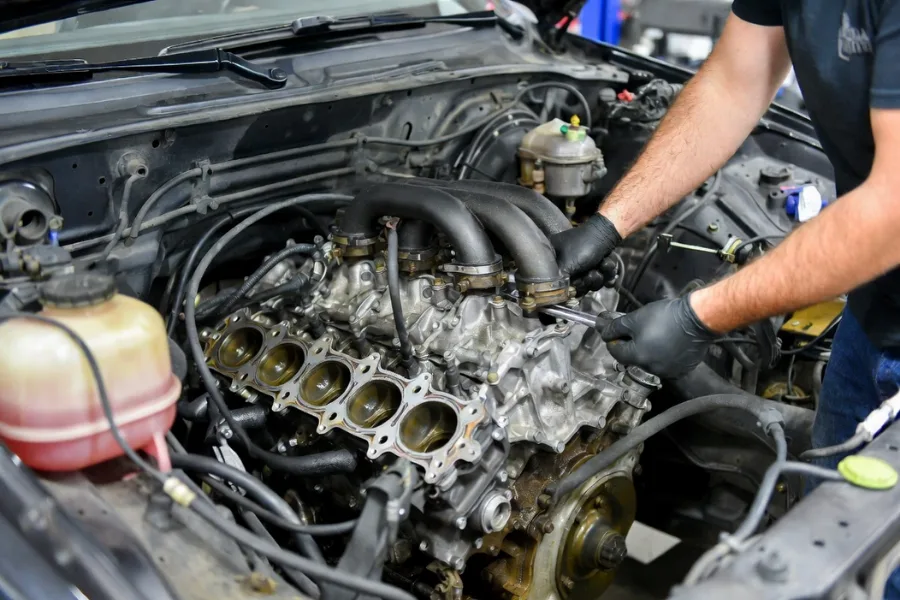
Driving with milky oil can worsen the damage. Tow your car to a repair shop for further inspection.
Blown Head Gasket: Replacing it takes about 6-10 hours and costs between $1,000-$2,500.
Cracked Engine Block or Cylinder Head: These repairs are more complex and can cost $3,000-$7,000 or more.
Faulty Oil Cooler: A replacement usually costs between $300-$800.
After fixing the problem, flush the engine with a cleaning solution. Replace the oil filter and refill with fresh oil.
Ensure the oil is replaced with the proper type and viscosity, as recommended by the manufacturer.

To prevent milky oil, follow these simple maintenance steps:
Regular Oil Changes:
Stick to the manufacturer’s oil change schedule. Fresh oil is less likely to mix with moisture and contaminants.
Use the Right Oil:
Ensure you’re using oil with the proper SAE viscosity and API ratings. Consider synthetic oil for better resistance to emulsification.
Avoid Short Trips and Cold Starts:
Make sure the engine fully warms up to prevent condensation buildup. In colder climates, consider using a block heater to help warm up the engine.
Inspect the Cooling System:
Check coolant levels and look for leaks in hoses, water pumps, and radiators. Fix any leaks promptly.
Maintain the PCV System:
Regularly clean or replace the PCV system to prevent moisture buildup in the engine.
Check for Water Ingress:
After driving through flooded areas or washing the engine, always check for water contamination in the oil.
What does it mean if your oil is milky?
Milky oil typically indicates coolant contamination. This could be caused by a blown head gasket, cracked engine block, or condensation. It's important to fix the underlying issue to prevent further engine damage.
How to fix milky oil in an engine?
Fixing milky oil requires addressing the root cause, such as replacing a blown head gasket or repairing leaks. After repairs, flush the engine and replace the oil and filter with fresh, appropriate oil.
Does milky oil always mean major repairs?
Not necessarily. While milky oil can indicate a serious issue like a blown head gasket, it could also be caused by less severe issues, such as condensation. Immediate diagnosis is key to prevent damage.
Can I just change the oil without fixing the source?
No. Simply changing the oil without fixing the source of the contamination will only temporarily fix the issue. The oil will turn milky again if the root cause, like a coolant leak, isn’t addressed.
Can additives fix milky oil?
Additives may temporarily mask the problem, but they can't replace the necessary mechanical repairs. The underlying issue, such as a blown gasket or oil cooler leak, must be fixed for a long-term solution.
Milky oil is a sign your engine is in trouble. The sooner you diagnose and fix the issue, the less damage it will cause and the more money you’ll save. Regular maintenance, using the right oil, and timely inspections are key to preventing milky oil. If you notice it, act quickly. Get your engine checked and protect your vehicle's health.
SUMATE offers high-quality automotive components like tensioner pulleys, belt systems, and oil coolers. Using durable, reliable parts like these can help ensure your engine runs smoothly and avoid common issues like coolant contamination in the oil.