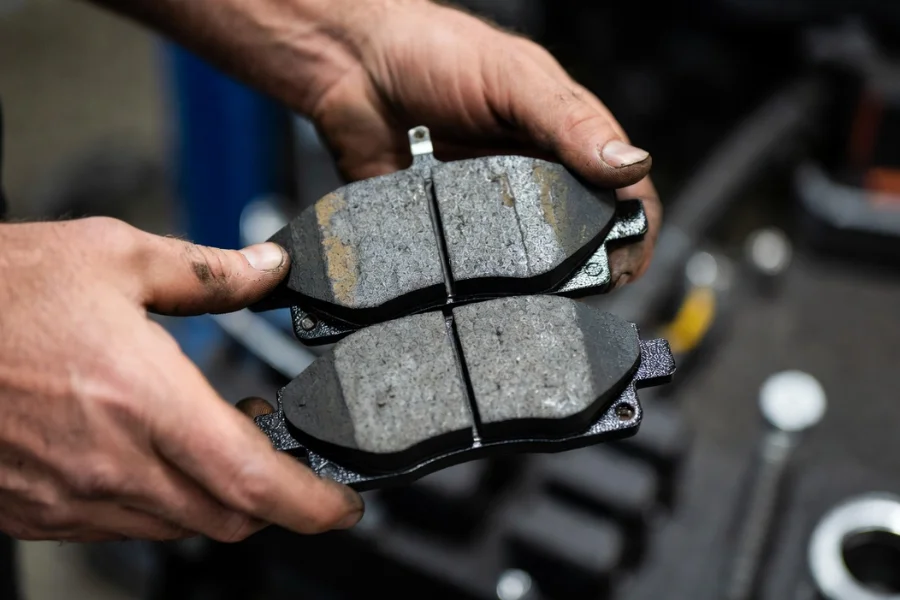
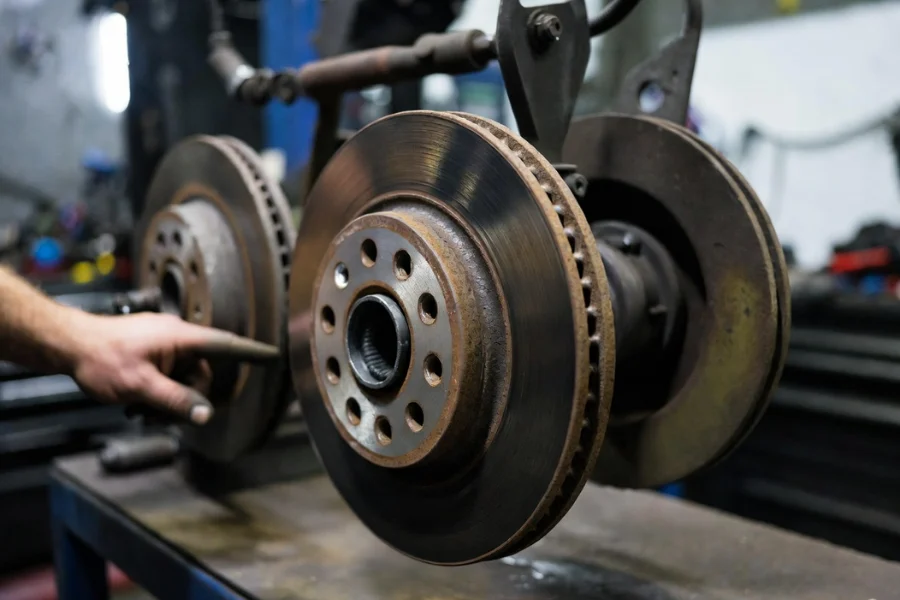
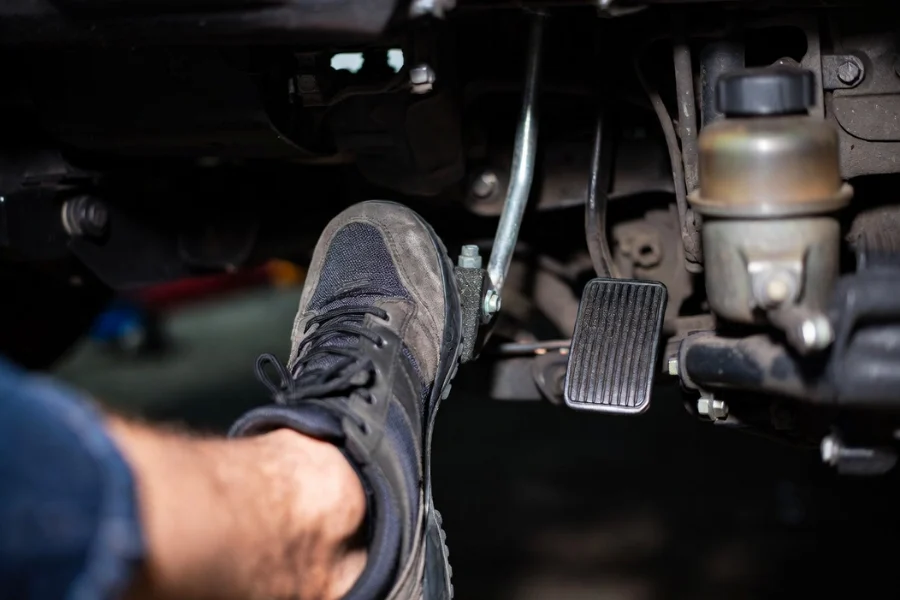
The braking system is one of the most critical components of your vehicle. It directly impacts your safety while driving, allowing you to stop quickly and avoid accidents. Whether you're navigating city streets or cruising on highways, ensuring your brakes are in top condition is essential for safe driving.
Understanding common brake problems helps you spot potential issues early, preventing accidents and costly repairs. This blog will guide you through the most common brake issues, their symptoms, causes, and solutions, so you can keep your braking system in excellent condition. A quality braking system, such as those provided by SUMATE, helps prevent breakdowns and maintains consistent performance on the road.

Squealing or grinding noises when braking
Vibration in the brake pedal or steering wheel
Longer stopping distances
Brake warning light on the dashboard
Normal wear from regular use
Excessive hard braking causing faster wear
Aging or low-quality brake pads
Regularly check brake pad thickness. Replace pads when they are below 3mm.
Opt for high-quality replacement pads like those offered by SUMATE.
Drive smoothly to avoid excessive hard braking.

Vibrations or pulsations in the brake pedal or steering wheel while braking
Uneven braking feel, particularly noticeable at high speeds
Overheating from prolonged or aggressive braking, such as long downhill descents
Uneven wear on brake pads
Low-quality rotors or improper installation
Check rotor condition and thickness regularly.
Lightly warped rotors may be resurfaced (turned), but severely warped ones need replacement.
Always replace rotors in pairs to ensure balanced braking.

Brake pedal feels soft, unresponsive, or goes all the way to the floor
Requires excessive pedal pressure or multiple presses to engage brakes
Air in the brake lines (requires bleeding)
Leaks in the brake system, causing fluid loss
Contaminated or degraded brake fluid
Worn brake master cylinder (brake pump)
Immediately check brake fluid levels and inspect for leaks.
Bleed the brake system to remove air bubbles.
Replace brake fluid as recommended (usually every 2 years or as specified in the vehicle’s manual).
Inspect and replace the brake master cylinder if needed.
High-pitched squealing: Usually a sign of worn brake pads
Grinding noise: Metal components rubbing against each other due to worn-out pads
Brake pads worn down to their limits
Debris or dirt between the brake pads and rotors
Hard or improperly installed brake pads
Inspect and replace worn brake pads as needed.
Clean brake components regularly to remove dirt and debris.
Use lubrication during installation to minimize noise.
Soft brake pedal
Quick drop in brake fluid levels
Visible fluid stains (usually yellowish or brown) under the vehicle
Old or damaged brake lines
Worn seals in the calipers, wheel cylinders, or brake master cylinder
Loose or corroded connections
If you notice a brake fluid leak, stop driving and inspect the system immediately.
Replace any damaged parts and refill brake fluid.
Bleed the brakes to remove air from the system.
A burning or acrid smell when braking
Noticeable loss of braking performance (brake fade)
Brake rotors turning blue or becoming deformed
Prolonged or hard braking, particularly in heavy traffic or downhill driving
Sticking calipers causing continuous friction
Poor brake ventilation
Pull over and allow brakes to cool down before continuing driving.
Inspect the calipers to ensure they are moving freely.
Upgrade to a more efficient braking system with better heat dissipation if necessary.
ABS warning light illuminated on the dashboard
No ABS intervention during emergency braking (wheel lockup)
Unusual pedal feedback (no ABS pulse when active)
Faulty ABS sensors
Electrical issues or wiring faults
Abnormal wheel speed signals
Use a diagnostic tool to read fault codes and identify the problem.
Clean or replace faulty sensors.
Inspect wiring and ABS pump/module for issues.
The car pulls to the left or right during braking, often accompanied by noise or vibration
Sticking brake caliper or piston failure
Uneven brake pad wear
Blocked brake fluid lines or uneven pressure
Tire or suspension issues (requires a comprehensive diagnosis)
Inspect and lubricate the brake calipers, and replace if needed.
Clean brake lines and ensure even pressure.
Have the suspension and tires checked for alignment issues.
Regular Inspections: Check brake fluid levels every month, and inspect brake pads and discs every six months or 10,000 miles.
Watch for Warning Lights: Never ignore the brake warning light on your dashboard—get your brakes checked immediately.
Drive Responsibly: Avoid hard braking. Drive with foresight and smooth braking, especially on long descents.
Scheduled Maintenance: Change brake fluid every two years or according to the vehicle's manual. When replacing pads, check and clean the calipers.
Stay Calm: Activate your hazard lights immediately.
Pump the Brake Pedal: Try pumping the brake to build pressure.
Use the Handbrake: Slowly pull the emergency brake (if electronic, keep it engaged).
Use Engine Braking: Downshift to lower gears, or shift to a lower gear in automatic cars.
Find a Safe Stop: Look for uphill roads, soft objects, or barriers to help slow down safely.
How often should brake pads be replaced?
Brake pads should typically be replaced every 30,000 to 70,000 miles, depending on your driving habits and vehicle type. Regular checks are essential to ensure the pads don’t wear down too much and compromise braking performance.
What does it mean if the steering wheel shakes when braking?
A shaking steering wheel while braking often signals warped brake rotors. This issue may require the rotors to be resurfaced or replaced to restore smooth braking.
Can I drive with the ABS warning light on?
You can drive with the ABS warning light on, but the ABS system may not engage during an emergency. This increases the risk of wheel lockup. Have it checked as soon as possible for safety.
How much does it cost to replace brake pads?
Brake pad replacement typically costs between $100 and $300 per axle, depending on your vehicle make and model, as well as the quality of the replacement parts.
Why is my car going through brake pads so fast?
Rapid brake pad wear can result from frequent hard braking, heavy driving, or using low-quality pads. Aggressive driving or improper pad selection can also contribute to premature wear.
A well-maintained brake system is vital for your vehicle's safety. By understanding the common brake issues outlined above and taking proactive steps to maintain your brakes, you can avoid serious problems, extend the lifespan of your components, and keep yourself and others safe on the road. If you're ever in doubt, don't hesitate to contact a professional mechanic to ensure your brake system is in top shape. When choosing quality parts, consider reliable options like SUMATE, known for durability and long-lasting performance in automotive components.