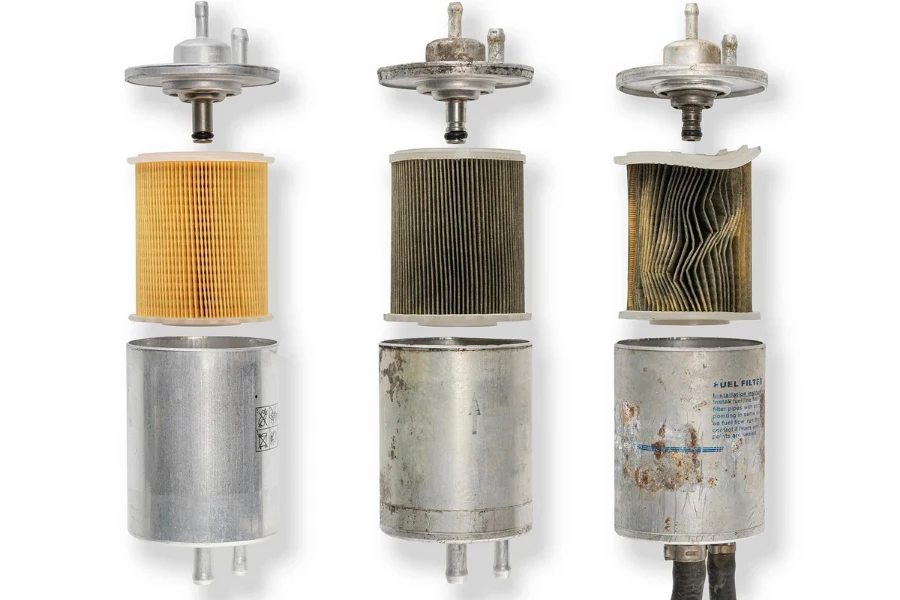
Fuel filters rarely get attention until a drivability complaint shows up. Every drop of fuel feeding the engine passes through that filter first, carrying whatever dirt, rust, or moisture came along with it.
When restriction starts building, it doesn’t announce itself right away. Fuel pressure becomes unstable. Flow drops under demand. This usually shows up on a cold start or the first hard pull of the day, when the engine suddenly asks for more fuel and doesn’t get it. Left alone, a simple maintenance item turns into a system-level problem.

A fuel filter’s real job isn’t just keeping fuel clean. It controls how consistently fuel reaches the injectors under changing load.
Modern fuel systems depend on stable flow and pressure. As a filter loads up, restriction increases. Pressure drops first during acceleration or climbing. The engine isn’t failing—the fuel supply is being choked upstream, and everything downstream has to compensate.
There’s no single mileage number that works across all vehicles. These ranges reflect real service conditions, not ideal fuel or light-duty use.
| Vehicle Type | Typical Replacement Interval |
|---|---|
| Gasoline vehicles | 20,000–40,000 miles (30,000–60,000 km) |
| Diesel vehicles | 10,000–15,000 miles, often more frequently |
| Performance or ethanol-fuel vehicles | Shortened intervals recommended |
| “Lifetime filter” designs | Inspection required; replacement may involve pump assembly |
Manufacturer guidelines are a baseline. Operating conditions decide whether that interval holds up.
Filters don’t clog evenly. They clog based on exposure.
Low-quality fuel, water contamination, and high ethanol blends accelerate restriction. Dusty routes, humid climates, frequent short trips, or long storage periods all increase debris and moisture inside the system.
In fleet and high-load applications, this process happens faster. Vehicles that run longer hours or see repeated heavy pulls don’t have much margin. Replacement decisions are often made earlier—not because the filter failed, but because the system can’t afford instability.

Fuel filter restriction usually becomes obvious when demand increases.
Hard starts, especially on cold mornings
Hesitation or power loss during acceleration or uphill pulls
Rough idle or stalling at low speed
Increased fuel consumption as the system compensates
Check engine lights tied to fuel pressure or lean conditions
When several of these appear together, restriction is already affecting system balance, not just engine output.

Fuel filter location depends on vehicle design.
| Type | Location | Notes |
|---|---|---|
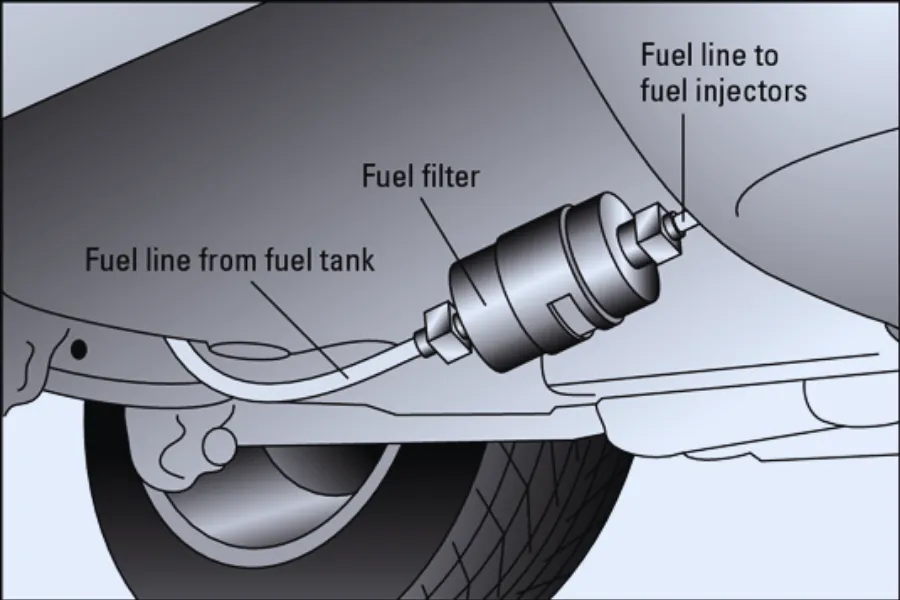
| Inline filter | Along the fuel line, usually under the vehicle | Often serviceable |
| In-tank filter | Integrated with fuel pump inside tank | Common on newer vehicles |
| Engine-bay filter | Seen more on diesel applications | Part of high-pressure systems |
Location matters because service complexity and replacement cost vary widely. Verifying the design before planning maintenance avoids surprises.
Most OEM fuel filters are not designed to be cleaned. Once restriction builds, replacement is the reliable fix.
External inline filters can sometimes be handled DIY with proper pressure relief and leak control. In-tank filters and high-pressure systems are different. Mistakes here damage lines, seals, or sensors quickly, which is why many shops and fleets treat this as a professional-only service.
A restricted fuel filter doesn’t just affect engine performance. It loads the fuel pump.
As restriction increases, the pump works harder to maintain pressure. Heat builds. Wear accelerates. Over time, what could have been a routine filter service turns into a pump failure.
This is where system-level thinking matters. In high-load or long-service operation, small restrictions show up early and spread stress across related components. That same durability-first mindset is common among suppliers such as SUMATE, where real operating conditions—not ideal assumptions—guide component design.
Replacing a fuel filter before restriction becomes severe helps avoid unstable fuel pressure, premature fuel pump wear, inconsistent acceleration complaints, unplanned downtime in fleet operation, and escalating repair costs caused by secondary failures.
This isn’t about chasing mileage numbers. It’s about keeping the fuel system working within its intended range.
What does a fuel filter do?
A fuel filter removes dirt, rust, and moisture from gasoline or diesel before it reaches the injectors and fuel pump. By keeping fuel clean and flow stable, it protects high-precision components, supports consistent combustion, and helps the engine maintain reliable performance under varying load conditions.
How often should a fuel filter be replaced?
Most vehicles require fuel filter replacement every 20,000–40,000 miles, depending on design and operating conditions. Diesel engines, high-load use, or poor fuel quality often shorten that interval. Always follow the manufacturer’s baseline recommendation, then adjust based on real-world driving conditions and fuel quality.
What are the signs of a clogged fuel filter?
Common signs include hard starting, hesitation during acceleration, loss of power under load, rough idle, stalling, reduced fuel economy, and fuel-pressure-related warning lights. These symptoms often appear first during cold starts or heavy throttle, when fuel demand increases and restriction becomes more noticeable.
Can a clogged fuel filter damage the fuel pump?
Yes. A restricted fuel filter forces the fuel pump to work harder to maintain pressure, increasing heat and mechanical stress. Over time, this accelerates pump wear and can lead to premature failure. Replacing the filter early helps protect the pump and avoid costly system-level repairs.
Do modern vehicles still use fuel filters?
Yes. Many modern vehicles use fuel filters integrated into the fuel pump assembly inside the tank. While often labeled “lifetime,” these filters can still clog under real operating conditions. Regular inspection remains important, especially in high-mileage, fleet, or heavy-use applications.
Fuel filters don’t usually fail all at once. They load up quietly until something more expensive gives out first.
Optimal engine function depends on clean fuel, stable flow, and balanced system load. Mileage guidelines help, but real-world conditions decide outcomes. Tools help diagnose, parts support the repair—but experience is what keeps problems from coming back.