Brakes are the most critical safety system on any vehicle. When the brake warning light comes on, the system is telling you something has drifted outside its normal operating range.
Dash icons vary by model, but the risk doesn’t. Ignore the warning, and you’re risking longer stopping distances, repeat failures, or a brake problem that shows up at the worst possible moment.

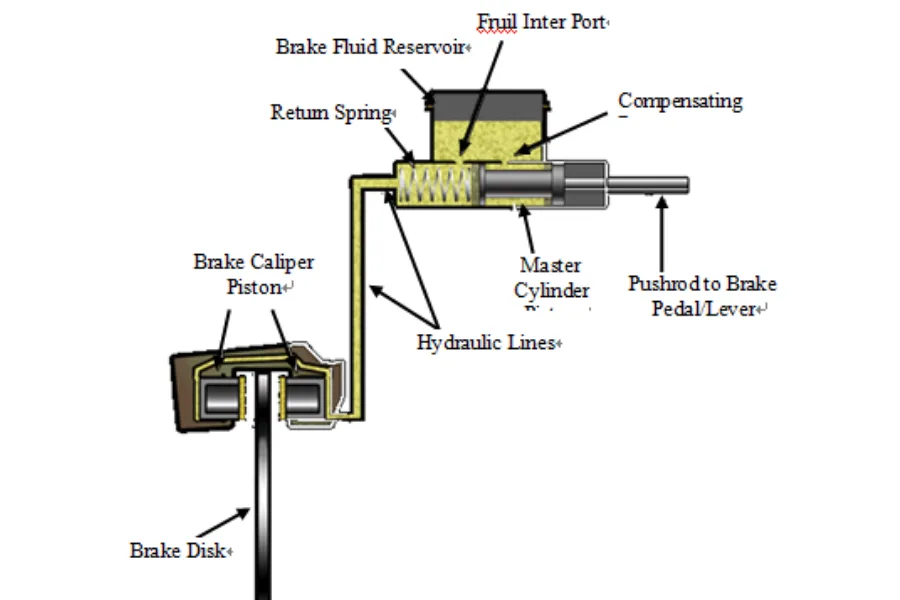
A modern brake system works on hydraulic pressure. Press the pedal, fluid transfers force, pistons move, and friction slows the vehicle.
In real shop conditions, small changes cascade fast. Worn pads push caliper pistons farther out. That extra travel displaces more fluid. Reservoir level drops. Sensors flag an imbalance. The warning light comes on. Brake problems rarely live in isolation.
In fleet and high-mileage applications, component consistency matters. That’s why manufacturers like SUMATE focus on durability and repeatability in critical components—helping reduce secondary faults that often surface after otherwise routine service work.
Not all brake lights mean the same thing, but all of them deserve attention.
The general brake warning light usually points to low brake fluid, a hydraulic imbalance, or a parking brake issue. The ABS warning light indicates a fault in wheel speed signals, wiring, or the ABS module. Brake pad wear lights trigger when friction material reaches its minimum threshold. A parking brake light means the system thinks the brake is applied, whether it actually is or not.
Knowing which light is on determines where diagnosis starts.
In a shop setting, this isn’t guesswork. There’s a priority order that saves time and avoids comebacks.
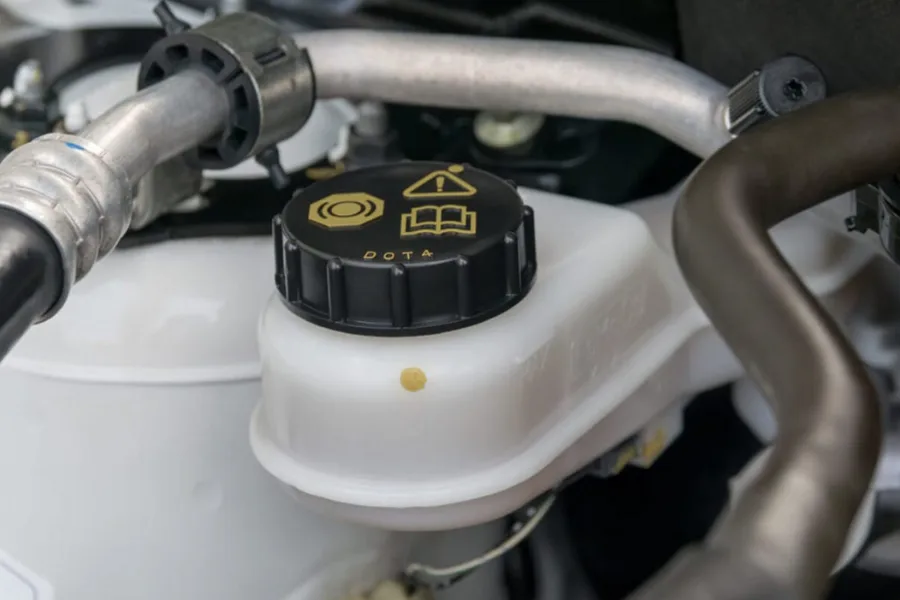
Cold start and the light is on immediately? Check brake fluid first.
Light comes on while driving? Sensors or ABS-related faults move to the top of the list.
Red warning light paired with pedal feel changes? Stop driving. That’s a hydraulic problem until proven otherwise.

The cause chain is straightforward: pad wear leads to piston overextension, fluid displacement lowers reservoir level, and the warning light trips. Fluid usually doesn’t disappear—it moves.
Verify fluid level at the master cylinder. If it’s low, inspect for leaks and pad wear before simply topping it off. Treat low fluid as a symptom, not the diagnosis.
Brake pads wear by design, but unchecked wear creates secondary problems. As friction material thins, pistons extend farther, fluid level drops, and wear sensors contact the rotor.
Pads should be replaced before rotor damage begins, and rotors should always be inspected during service. Skipping that step is a common source of repeat issues.
This shows up more often than people expect. A partially released cable, weak return spring, or faulty switch can keep the system flagged.
Confirm full mechanical release, then verify switch operation. Don’t assume it’s “just a light.”
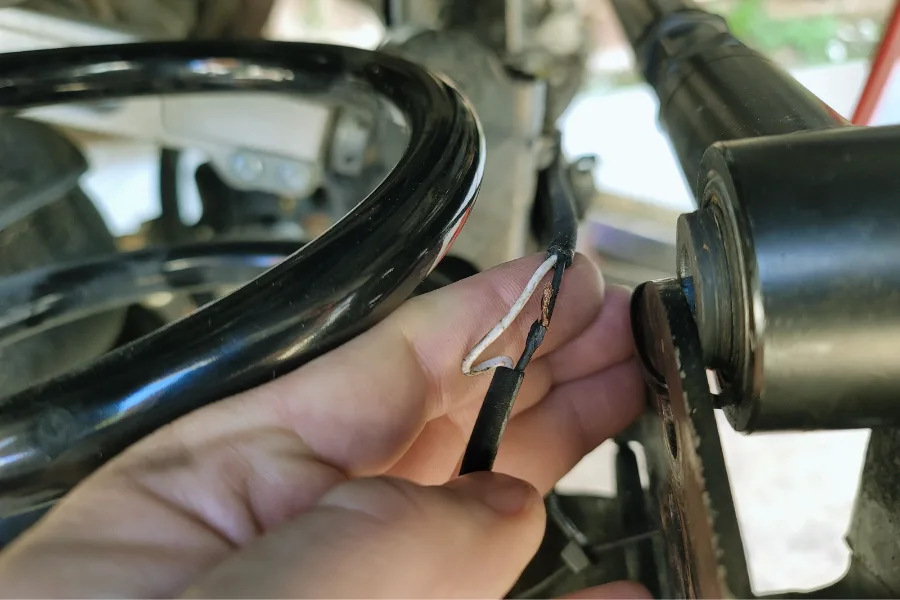
ABS warnings often look serious, but context matters. A common chain is sensor corrosion creating distorted wheel speed signals, which the module flags as a fault.
Base braking still works, but ABS and stability control won’t intervene. Scan for codes and inspect sensors and wiring near hubs, especially in wet or corrosive environments.
A worn or misadjusted brake light switch can keep brake lights on, confuse control modules, and trigger warnings.
Inspect alignment and operation at the pedal assembly. It’s a simple fix that’s often overlooked.

This is a high-frequency shop scenario. Brakes feel normal. Stopping distance is unchanged. The complaint is the light.
Aging fluid level sensors, corroded connectors, heat-soaked ABS wiring, or sticking reservoir floats can all send false signals. Always confirm mechanical integrity first, then chase the signal—not the symptom.
From a service standpoint, don’t drive. Check brake fluid level and parking brake status immediately. If the cause isn’t obvious, inspect before road testing.
Reduce speed smoothly and pull over safely. If pedal feel changes, stop immediately. If braking feels normal, diagnose the issue before continued operation.
Can I drive with the brake warning light on?
If the light is red, do not drive. A red warning usually signals a hydraulic or safety-related issue. A yellow light may allow very limited driving for diagnosis only, but continued operation without inspection risks brake failure and more expensive repairs.
What causes the brake warning light to come on?
Common causes include low brake fluid, worn brake pads, parking brake switch issues, ABS sensor faults, or electrical signal problems. In many cases, the light is triggered by system imbalance rather than a single failed component, which is why proper diagnosis is essential.
What is the first thing you should check when the brake light comes on?
Always check the brake fluid level first. Low fluid is the most frequent trigger, especially during cold starts. If the level is normal, move on to parking brake status, pad wear indicators, and ABS or sensor-related faults.
Does an ABS warning affect basic braking?
No. Basic hydraulic braking still works, but ABS and stability control functions are disabled. This increases the risk of wheel lockup on wet or slippery roads. ABS warnings should be diagnosed promptly, especially on high-mileage or fleet vehicles.
How often do brake pads need replacement?
Brake pads typically last between 25,000 and 70,000 miles, depending on driving style, load, and conditions. Worn pads can lower brake fluid levels, trigger warning lights, and damage rotors if ignored, so regular inspections are critical.
What are signs of a brake fluid leak?
Signs include a soft or sinking brake pedal, rapidly dropping fluid level, and visible seepage near brake lines or calipers. Any suspected leak should be treated as urgent, since loss of hydraulic pressure directly compromises braking performance.
If warning lights persist, pedal feel changes, or multiple systems flag faults, it’s time for a full inspection.
Scan tools help point to problems, but experienced technicians and consistent-quality parts solve them. Preventing repeat faults, protecting customer trust, and keeping vehicles out of the comeback lane is the principle SUMATE builds its manufacturing approach around.