Facebook

WELCOME TO OUR BLOG

We're sharing knowledge in the areas which fascinate us the most
click

What Happens When You Put Too Much Oil in the Car

By Lucas January 15th, 2026 84 views

Why Too Much Oil Causes Problems Fast

This is a situation most techs have seen more than once.
A car comes in after a DIY oil change. The dipstick is past MAX. The customer says, “I just added a little extra to be safe.”

That “little extra” is exactly where trouble starts.

Engine oil has several critical jobs: lubricating tight-tolerance parts, reducing friction, carrying heat, cleaning contaminants, and supporting fuel efficiency and emissions. All of that only works when oil stays within a narrow operating range. Once the level goes high, oil stops behaving like oil.

How Engines End Up Overfilled in the Real World

Service Mistakes That Lead to Overfill
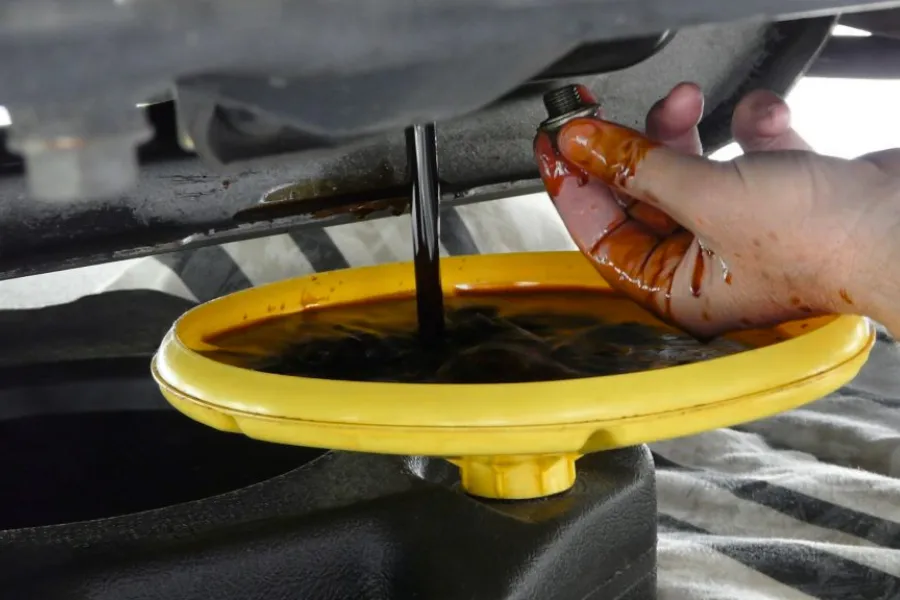
What Happens When You Put Too Much Oil in the Car due to overfilling during oil change

Most overfill cases aren’t mysterious failures. They’re routine service mistakes:

  • Adding oil past the specified capacity

  • Not fully draining old oil during a change

  • Forgetting how much oil sits inside a new filter

These show up often after rushed services or first-time DIY jobs.

When It’s Not Just Oil Raising the Level

Sometimes the dipstick reads high even when the fill amount was correct:

  • Condensation buildup in short-trip vehicles

  • Fuel dilution from worn seals

  • Coolant intrusion from a failing head gasket

In these cases, the oil isn’t just “too much.” It’s too thin, and that’s often worse.

Signs the Oil Level Is Too High

What the Dipstick or Sensor Is Telling You

  • Oil clearly above the MAX mark

  • Electronic oil level warnings on newer vehicles

Experienced techs don’t debate this reading. High means high.

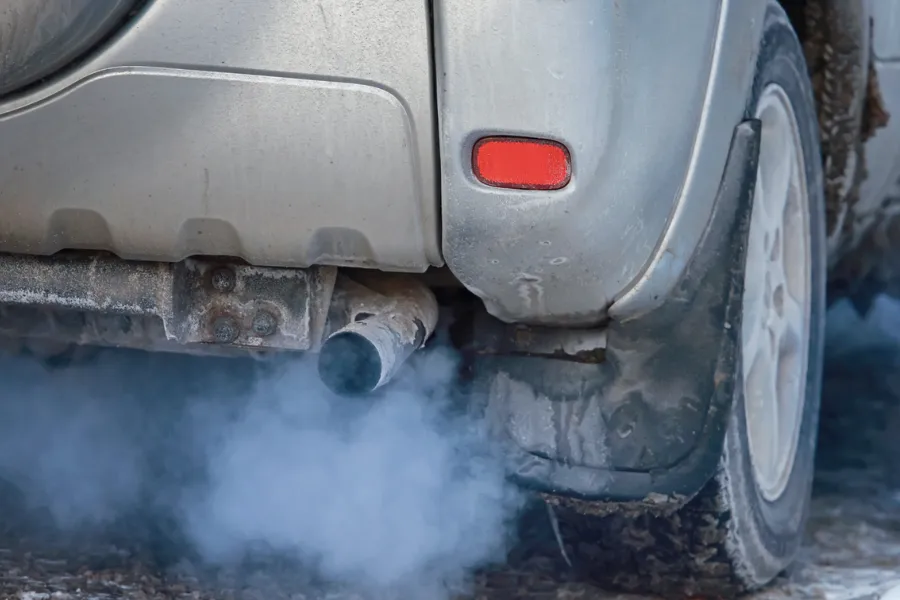
Smoke Coming Out of the Tailpipe
What Happens When You Put Too Much Oil in the Car – blue smoke and oil leak symptoms

  • Blue smoke usually means oil is getting into the combustion chamber

  • White smoke can mean oil burning in the exhaust stream

Either way, it’s not something to ignore.

How the Engine Starts Acting Up

  • Hard starts, especially cold

  • Sluggish acceleration

  • Rough idle or stalling

  • New ticking or knocking noises

Oil Pressure Warnings You Shouldn’t Ignore

  • Oil pressure gauge reading higher than normal

  • Oil or check engine light coming on

Leaks and Burnt Oil Smell

  • Oil spots under the car

  • Burnt oil smell after driving

Pressure always finds the weakest seal.

What Too Much Oil Actually Does Inside the Engine

Foaming Oil and Lost Lubrication

When oil level rises high enough, the crankshaft starts hitting it. At speed, the crank whips the oil into foam. Foamy oil traps air, and air doesn’t lubricate. Once that happens, oil pressure becomes unstable, oil flow drops, and metal parts start running hotter than they should.

Pressure That Blows Out Seals

Overfilled engines build excess crankcase pressure. That pressure pushes outward. Gaskets fail. Seals leak. Front and rear crank seals are often the first to go. This is where a simple overfill turns into a comeback.

Parts That Take the Hit First

  • Oil-fouled spark plugs leading to misfires

  • Clutch contamination on manual transmissions

  • Catalytic converters damaged by burned oil

When Overfill Turns Into Engine Damage

If the vehicle keeps running like this, heat builds, rods bend, valve guides collapse, and eventually the engine stops instead of just running rough.

How to Check Oil Level the Right Way
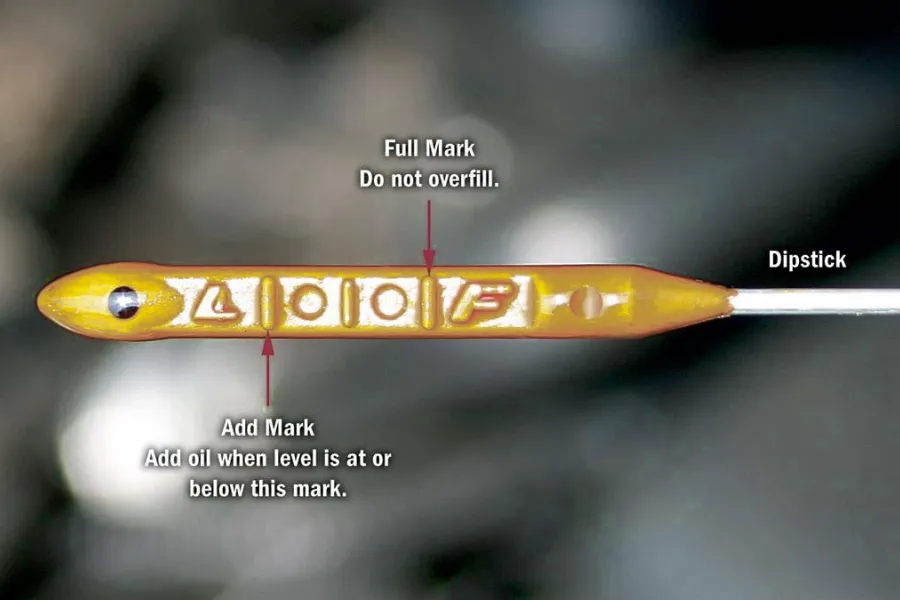
What Happens When You Put Too Much Oil in the Car – checking oil level with dipstick

Set the Car Up Before Checking

  • Park on level ground

  • Shut the engine off

  • Let it sit at least 15 minutes

Reading the Dipstick Correctly

  • Pull and wipe the dipstick

  • Reinsert fully

  • Check that oil sits between MIN and MAX, not touching the top

Checking Oil Level on Newer Vehicles

Some vehicles rely on electronic readings instead of a physical dipstick. Follow the manufacturer’s procedure exactly. Misreading these systems causes unnecessary mistakes.

How to Fix an Overfilled Engine

Option 1: Draining a Small Amount

Use this only for minor overfill situations:

  • Loosen the drain plug slowly

  • Let oil drip, not pour

  • Recheck the dipstick often

  • Tighten once the level is correct

Option 2: Full Oil Change (Best Fix)

This is what most experienced techs choose:

  • Safely lift the vehicle

  • Warm the engine briefly

  • Drain all oil completely

  • Replace the oil filter

  • Refill with the exact specified amount

Risk levels matter here:
Short-distance repositioning is usually low risk. Sustained highway driving raises the risk quickly. Heavy load or towing with foamed oil is asking for damage. If there’s any doubt, towing is cheaper than an engine.

General Oil Capacity Guidelines

  • Four-cylinder engines: ~4.5 liters

  • Six-cylinder engines: ~5.5 liters

  • Eight-cylinder engines: ~4.5–7.5 liters

Always confirm exact capacity using the owner’s manual or manufacturer data.

FAQ

Will too much oil cause immediate engine damage?
Not always. Brief idling or short-distance repositioning usually won’t destroy an engine. However, continued driving—especially at highway speeds or under load—can quickly aerate the oil, destabilize oil pressure, and accelerate wear. The longer it runs overfilled, the higher the risk of serious damage.

Can overfilled engine oil increase fuel consumption?

Yes. When oil is overfilled, the crankshaft can whip it into foam, increasing internal drag and reducing lubrication efficiency. The engine works harder to overcome that resistance, which often results in higher fuel consumption and reduced overall efficiency, especially during sustained driving.

Is it safe to drive to the repair shop if oil is overfilled?

Short, low-speed movement may be acceptable in some cases. Sustained driving, highway speeds, or towing loads significantly increase the risk of oil foaming and pressure issues. If the oil level is clearly above MAX or symptoms appear, towing is the safer option.

Does too much oil cause blue exhaust smoke?

Yes. Blue smoke typically indicates engine oil entering the combustion chamber and burning. Overfilled oil can overwhelm seals or be forced past piston rings under pressure. Persistent blue smoke is a warning sign that the overfill is already affecting internal engine components.

Can overfilled oil damage the catalytic converter?

Yes. When excess oil burns in the exhaust stream, it leaves deposits inside the catalytic converter. Over time, this can clog the catalyst, reduce emissions efficiency, and increase exhaust backpressure. Catalytic converter damage from oil contamination is costly and often avoidable with prompt correction.

How to Avoid This Problem Next Time

  • Check oil level after every service

  • Follow factory fill specifications exactly

  • Use quality filters that don’t complicate oil volume

  • When in doubt, slow down and double-check

Experienced techs know most engine failures don’t come from one big mistake. They come from small errors ignored too long. Keeping oil level correct is one of the simplest ways to protect engine reliability, reduce comebacks, and maintain customer trust. Tools help, but judgment and quality parts are what keep engines alive.

Parts of a Brake System diagram showing pedal, master cylinder, brake lines, calipers, and rotors
Previous
Parts of a Brake System
Read More
What Is the Fuel Filter Replacement Frequency for Optimal Engine Function – automotive fuel filter overview
Next
What Is the Fuel Filter Replacement Frequency for Optimal Engine Function
Read More