

Common Rust, Common Concern
It usually shows up the same way.
After a rainy night or a few days of sitting, you glance through the wheel and see orange rust streaks on the brake rotors.
That sight raises an immediate question:
Is this normal—or is the braking system already headed for trouble?
Here’s the straight answer techs give in the bay: most brake rotor rust is harmless.
But once rust crosses a certain line, ignoring it doesn’t save money—it creates comebacks.
Brake Rotors Rust for One Simple Reason: Exposure
Brake rotors are designed to manage heat and friction, not resist moisture.
Material Reality
Most rotors are cast iron or steel alloy.
They handle repeated heat cycles well, but they oxidize fast when moisture and oxygen sit on the surface.
Rust isn’t a defect. It’s a material reality.
Environmental Exposure
Rotors live in the worst possible place:
-
Rain, snow, puddles, and morning dew
-
Humid air in coastal or high-moisture regions
-
Winter road salt that aggressively accelerates corrosion
Brake dust makes it worse. It traps moisture against the rotor face instead of letting it evaporate.
Usage Patterns
Rust accelerates when friction disappears:
-
Vehicles parked for long periods
-
Seasonal fleet units
-
Cars stored outdoors without regular use
No pad contact means no self-cleaning.
Surface Rust Is Normal. Deep Rust Is Not.
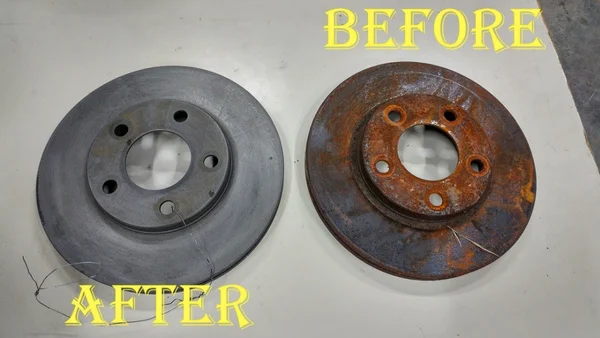
The mistake most people make is treating all rust the same.
| Rust Type | What It Looks Like | Is It a Problem? | Real-World Judgment |
|---|---|---|---|
| Surface rust | Thin, even orange film | No | Drive it. Pads clean it off. |
| Moderate rust | Patchy buildup, light texture | Yes, if symptoms exist | If it’s felt or heard, stop “monitoring.” |
| Deep rust | Flaking, pitting, grooves | Always | Structural damage—replacement territory. |
Here’s the line techs draw:
If rust is already changing how the brake feels, sounds, or stops, you’re past the “wait and see” stage.
When Rust Starts Affecting How the Car Stops
Light Surface Rust
This is cosmetic.
A few normal brake applications wipe it clean with no performance impact.
Moderate Rust
This is where judgment matters.
-
Light vibration
-
Intermittent noise
-
Uneven initial bite
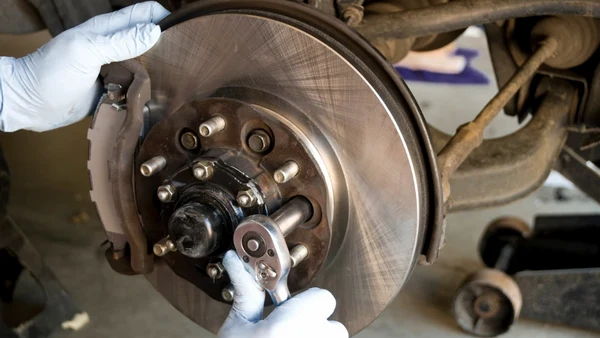
At this stage, rust has already disrupted the transfer layer between pad and rotor.
If the pad face is no longer contacting evenly, resurfacing may buy time—but it does not reset the system.
This is where many comebacks are born.
Deep Rust
This is no longer a surface issue.
-
Uneven rotor thickness
-
Inconsistent pad contact
-
Pedal pulsation and longer stops
Once pitting and flaking appear, braking consistency is compromised. Cleaning doesn’t fix structure.
What to Do — and When It’s Too Late to Save the Rotor
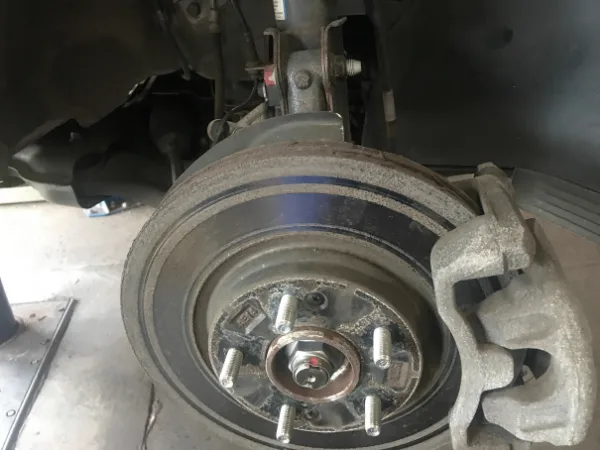
Light Rust
-
Drive normally
-
Apply brakes a few times
-
No service action needed
This is normal operation.
Moderate Rust
-
Brake cleaner and light cleaning can help only if the surface is still flat
-
Resurfacing works only if rotor thickness and pad contact remain even
If vibration or noise is already present, you’re no longer preventing a problem—you’re delaying it.
Deep Rust
-
Continued use is not recommended
-
Replacement is usually the correct call
Once rust compromises rotor integrity, further machining often creates thinner, weaker components with shorter service life.
How Techs Slow Rust Down in the Real World
Rust can’t be eliminated, but it can be controlled.
Regular Use
Even short drives help.
Brake engagement keeps rotors clean and dry.
Seasonal Care
-
Wash wheels and undercarriage during winter
-
Remove salt before it embeds
After washing, drive briefly and apply light braking to dry components.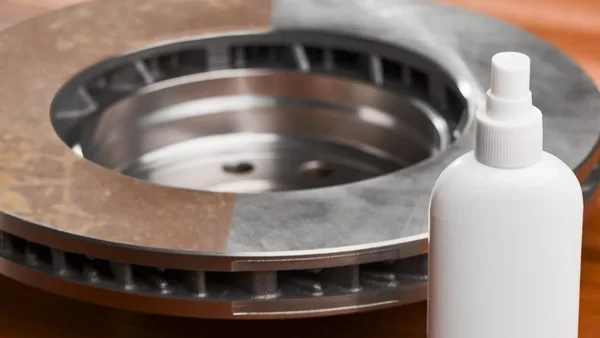
Storage Choices
-
Dry, ventilated garages slow corrosion
-
Avoid plastic covers that trap moisture
-
Breathable covers work better outdoors
Component Selection
In wet or high-salt regions, corrosion-resistant or coated rotors reduce long-term issues.
This matters most for fleets, distributors, and high-mileage vehicles where downtime adds up.
Common Myths That Waste Time and Money
Myth: Rust means poor rotor quality
Cast iron rusts. That’s material behavior, not manufacturing failure.
Myth: Washing causes rust
Salt and grime cause rust. Washing removes them.
Myth: Any rust means replacement
Surface rust is normal. Structural damage is not.
Myth: Garages prevent rust entirely
Poor ventilation can trap humidity and speed corrosion.
Myth: Rust is permanent
Surface rust is reversible. Structural damage isn’t.
Clear Signs It’s Time to Stop Guessing
Don’t rely on visuals alone when symptoms appear:
-
Brake vibration or pedal pulsation
-
Persistent noise after driving
-
Soft or delayed pedal response
-
Visible pitting, flaking, or grooves
If braking feel has changed, rust is no longer cosmetic—it’s functional.
Bottom Line: Know Which Rust You Can Ignore
Rust on brake rotors is common.
Ignoring the wrong kind of rust is expensive.
Good techs don’t panic over surface oxidation.
They also don’t gamble once rust starts changing system behavior.
At SUMATE, the same logic applies across systems: once a surface issue turns into a behavior change, the fix has to be decisive. Tools help diagnose. Experience tells you when to stop monitoring and start fixing.
FAQ
Is rust on brake rotors normal?
Yes. Light surface rust is normal on cast-iron brake rotors, especially after rain, washing, or short-term parking. It often forms overnight and is removed after a few brake applications. If the rust clears quickly and braking feels smooth, no repair or replacement is required.
Why do brake rotors rust so quickly, sometimes overnight?
Brake rotors are made from cast iron, which oxidizes rapidly when exposed to moisture and oxygen. Rain, humidity, dew, and road salt accelerate corrosion. Because the friction surface is uncoated and fully exposed, rust can form within hours when a vehicle sits unused.
Will rust on brake rotors go away by driving?
Often, yes. Light surface rust is typically cleaned off as the brake pads contact the rotors during normal driving. If rust remains after several stops or braking feels noisy or uneven, the corrosion is no longer superficial and should be inspected instead of ignored.
Can rust on brake rotors cause vibration or noise?
Yes. Moderate to heavy rust can disrupt pad-to-rotor contact, leading to vibration, noise, or inconsistent braking feel. Once rust affects the transfer layer or creates surface irregularities, symptoms usually persist even after driving and indicate a developing braking problem.
Do rusty brake rotors need to be replaced?
Not always. Surface rust does not require replacement. However, if rust has caused pitting, flaking, or uneven braking behavior, replacement is often the correct solution. Once rotor structure is compromised, cleaning or resurfacing may delay—but not prevent—future issues.
Can rusted brake rotors be cleaned or resurfaced?
Light rust can be removed through normal driving. Moderate rust may respond to cleaning or resurfacing if rotor thickness and surface flatness remain within limits. If vibration or uneven braking is already present, resurfacing often provides only temporary relief rather than a long-term fix.
How can I prevent brake rotors from rusting?
Rust cannot be eliminated, but it can be reduced. Drive the vehicle regularly, wash off road salt during winter, and dry the brakes after washing. Parking in a dry, ventilated area and choosing corrosion-resistant rotors also helps slow long-term rust buildup.


