Choosing engine oil isn’t just about matching a number on the oil cap. In the real world, oil choice shows up during cold starts, in VVT response, and on long highway pulls when oil temperature stays high. It affects noise, pressure stability, and how long components survive under load.
5W-20 and 5W-30 are both common for modern engines, but they behave very differently once the engine is fully warmed up. The real question isn’t which one is “better.” It’s which one fits how the engine and the entire lubrication system actually operate.

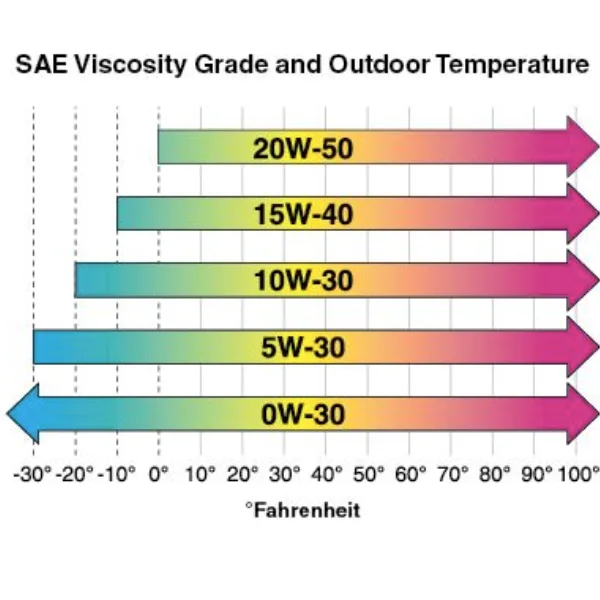
Both oils share the same cold rating. The “5W” tells you they flow similarly during cold starts, which is why startup protection is nearly identical.
The difference appears after warm-up.
At operating temperature, 5W-20 stays thinner. It circulates quickly, reduces pumping losses, and keeps internal friction low.
5W-30 runs thicker. It maintains a stronger oil film and holds pressure better when heat and load build up.
Once the engine is hot, you’re no longer choosing a label. You’re choosing how quickly oil reacts versus how much protection margin it keeps under stress.
5W-20 favors efficiency. It’s designed to move fast through tight clearances, reduce drag, and support fuel economy.
5W-30 favors protection. Its thicker oil film provides more stability during sustained heat, high RPM, or heavy load.
Cold-start performance is effectively the same. The decision comes down to what happens after oil temperature stabilizes.
The owner’s manual is always the starting point. OEMs specify viscosity based on engine design, oil control, and system response. But in the bay, usage matters just as much as specifications.
Cold flow doesn’t decide this comparison. Both oils perform similarly at startup.
The separation happens once oil temperature stays elevated for extended periods.
If heat is part of normal operation, oil thickness becomes more important than flow speed.
This is where the decision should stop being neutral.
For daily commuting, short trips, and moderate temperatures, 5W-20 is the better long-term choice. It reduces internal resistance, supports fast oil circulation, and matches how modern engines are designed to run.
For sustained highway driving, towing, heavy loads, or aggressive driving, 5W-30 is the safer option. The thicker oil film provides added protection once oil temperature remains high for long stretches.
This isn’t preference. It’s heat management.
Low-mileage engines with tight tolerances benefit from thinner oil. Fast flow and low drag are exactly what the system expects.
High-mileage engines require a more honest assessment. Mileage alone isn’t the trigger. Operating conditions are.
If oil pressure is stable, consumption is controlled, and usage is light, sticking with the factory viscosity still makes sense.
If the engine regularly sees heat, load, or long run times, stepping up to 5W-30 adds protection without masking underlying mechanical issues.
Thicker oil is not a fix, but it can provide margin when tolerances are no longer perfect.
Thicker oil isn’t automatically safer. Excessive viscosity slows oil delivery and increases drag, especially during warm restarts.
High mileage doesn’t automatically require thicker oil. A well-maintained engine with light duty use can still perform correctly on the original viscosity.
Temperature always shows up somewhere. Even outside hot climates, long highway runs and heavy loads generate the same oil stress.
Viscosity mismatches don’t cause immediate failure, but they accumulate over time. Noise, sluggish VVT response, and pressure-related issues often trace back to oil that doesn’t match operating reality.
Adjacent viscosities can be used temporarily in an emergency. That’s not the issue.
The problem comes from long-term substitution. Running 5W-30 where 5W-20 is specified increases drag and slows oil response. Running 5W-20 where 5W-30 is needed reduces high-temperature protection. Neither failure is dramatic, but both are cumulative.
Mixing oils blurs viscosity targets. It won’t cause immediate damage, but it removes predictability. A proper oil change should follow as soon as possible.

Modern engines use tighter bearing clearances and more precise oil control. Oil must arrive quickly and behave consistently.
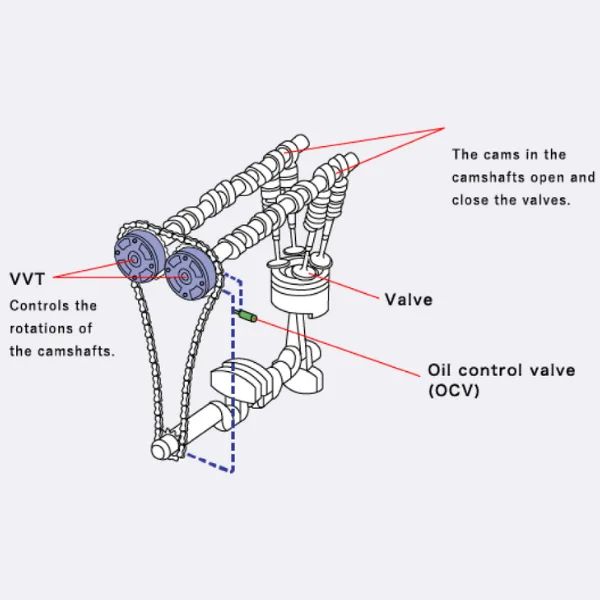
VVT systems rely on fast, predictable oil flow through small passages. Delayed response shows up as hesitation, noise, or fault codes.
Fuel economy targets also push manufacturers toward lower viscosity oils. Reduced internal resistance improves efficiency.
Thin no longer means weak. Modern synthetic oils maintain film strength far better than older formulations, provided heat is properly managed.
What’s the main difference between 5W-20 and 5W-30?
The real difference shows up at operating temperature. 5W-20 stays thinner, reducing internal drag and improving efficiency. 5W-30 runs thicker when hot, maintaining a stronger oil film under heat and load. Cold-start behavior is nearly the same since both share the same 5W rating.
Which one should I use?
Always start with the owner’s manual. After that, look at how the vehicle is actually used. Light commuting and moderate temperatures favor 5W-20. Sustained highway driving, heavy loads, or high heat make 5W-30 the safer long-term choice.
Is 5W-20 always better for fuel economy?
Yes, but only under moderate conditions. 5W-20 reduces pumping losses and friction, which helps fuel economy during daily commuting and short trips. Once oil temperatures stay high for long periods, that efficiency advantage shrinks and protection becomes the priority.
Is 5W-30 safer for older engines?
Age alone isn’t the deciding factor. 5W-30 adds protection when engines see higher heat, load, or longer run times. For well-maintained, lightly used high-mileage engines, sticking with the factory viscosity often works just fine without masking underlying issues.
You’re not choosing a number. You’re choosing how the lubrication system responds over time.
5W-20 makes sense when efficiency and fast oil response matter most.
5W-30 earns its place when heat, load, and durability take priority.
At SUMATE, we see these choices reflected downstream in belt drives, tensioners, and rotating components. Oil behavior affects the entire system, not just the engine itself.
Tools help and specifications matter, but long-term reliability still comes from matching oil choice to real operating conditions—every time.