Facebook

WELCOME TO OUR BLOG

We're sharing knowledge in the areas which fascinate us the most
click

Symptoms of a bad crankshaft position sensor

By Lucas December 12th, 2025 980 views

Symptoms of a Bad Crankshaft Position Sensor: What Techs See in the Bay

Why the Crank Sensor Sets the Rhythm for the Whole Engine

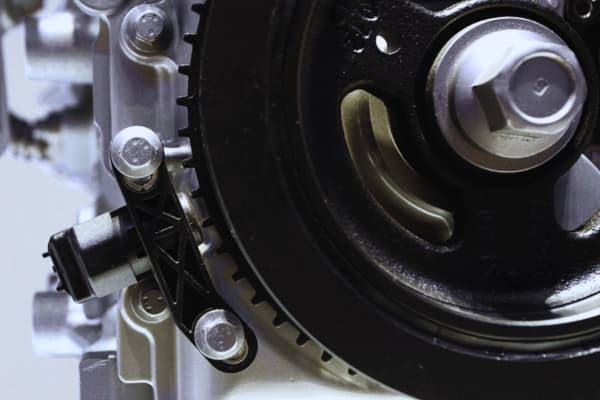
Engine diagram showing Symptoms of a bad crankshaft position sensor
In the shop, we treat the crankshaft position sensor like the engine’s pulse line. When it reads clean, fuel and spark stay in perfect rhythm. When it drifts or drops out, the whole system feels it—combustion timing slips, fuel trims swing, and drivability goes sideways fast.

The sensor tracks two things: crankshaft position and RPM. The ECM uses that data to fire the injectors, trigger the coils, and run systems like variable valve timing. If the signal turns weak, noisy, or disappears, the ECM falls back to estimation mode. The engine loses precision. That’s when the symptoms start showing up—sometimes subtle, sometimes dramatic.

Below is a technician-level walk-through of what a failing crank sensor looks like in the real world.


What You’ll See When a Crank Sensor Starts to Fail

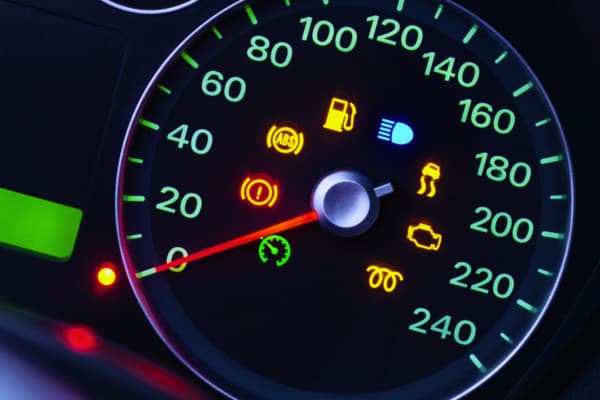
Check Engine Light related to Symptoms of a bad crankshaft position sensor
1. Check Engine Light That Comes on Before Anything Feels Wrong


In many cases, the ECM sees trouble before the driver does. A crank sensor beginning to drift will cause:
  • RPM dropouts in live data

  • Correlation faults between crank and cam

  • Random misfire counters climbing

Sometimes the CEL lights up with a CKP code. Other times you just see misfires or “circuit range/performance” faults. Older vehicles may not flag a CEL at all, so never rely on the light alone.

2. Long Crank or No-Start When the ECM Loses the Crank Signal

Cold mornings often expose weak CKP sensors. The engine spins, but the ECM sees zero RPM. Without that signal, it won’t fire spark or injectors.

Common patterns in the bay:

  • Long cranking followed by a rough start

  • Hot-soak no-start (classic heat-fade CKP failure)

  • No-start with RPM stuck at zero on live data

If you command the starter and the RPM PID doesn’t budge, the CKP circuit jumps to the top of the suspect list.

3. Stalls Without Warning, Especially When Hot

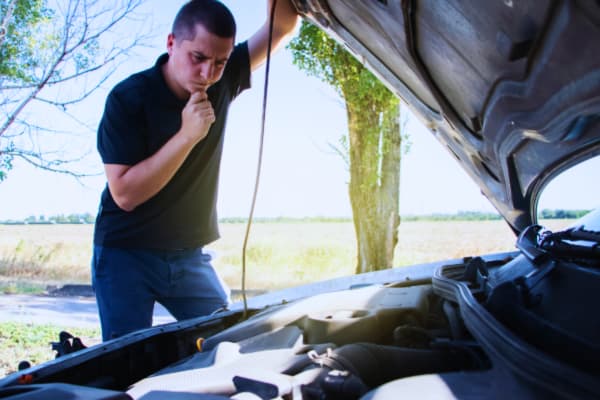
Hot-engine stall example showing Symptoms of a bad crankshaft position sensor
A clean-running engine that suddenly dies—no stumble, no warning—is usually losing crank signal. Heat is often the trigger. The sensor warms up, internal resistance changes, and the signal collapses.

Common real-world scenarios:

  • Vehicle stalls at a stoplight after a long drive

  • Engine cuts out on the highway and restarts once cooled

  • Intermittent stalls when idling in traffic

These situations are dangerous because power steering and brake assist drop instantly.

4. Rough Idle, Shaking, or Misfires When Timing Goes Off-Track

When timing slips, combustion becomes unpredictable. The ECM attempts to estimate crank position, but estimation is never perfect.

Techs usually see:

  • Steering wheel shake at idle

  • Misfires under light load

  • Backfires during throttle blips

  • RPM fluctuation of ±50–150 rpm at idle

If the misfire counters climb unevenly across cylinders, start checking CKP correlation.

5. Soft or Delayed Acceleration Because Timing Isn’t Lined Up

A failing crank sensor often causes hesitation. You roll into the throttle…and nothing. The ECM momentarily “hunts” for the crank position before committing to spark and fuel.

This symptom often appears:

  • After warm-up

  • During highway merges

  • When load suddenly changes

Paired with high short-term fuel trims, it’s usually a timing-input issue—not a fuel delivery issue.

6. Fuel Economy Drops Because the Engine Burns More to Compensate

When crank timing goes sporadic, the ECM adds extra fuel to stabilize combustion. This fallback strategy protects the engine but kills economy.

You’ll see:

  • STFT and LTFT climbing positive

  • Coarse ignition timing

  • Weak throttle response paired with higher fuel usage

A driver may complain about “using more gas than usual” even though the engine seems to run fine most of the time.

7. Strong Exhaust Smell from Unburned Fuel

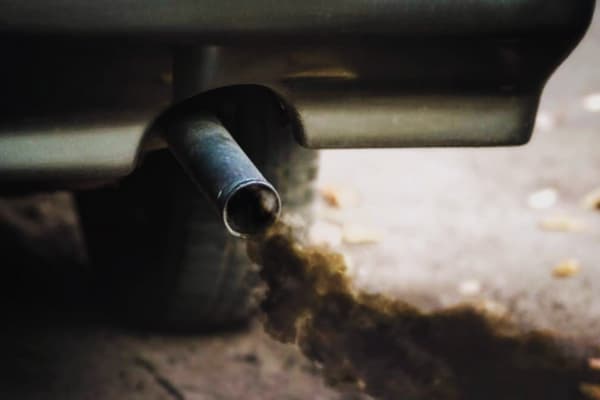
Exhaust odor from unburned fuel as Symptoms of a bad crankshaft position sensor
With poor timing, unburned fuel hits the exhaust stream. In the shop, we often smell:

  • Raw gasoline

  • Heavy exhaust during cold starts

  • Occasional sulfur smell from catalytic overload

This symptom deserves attention. Excess fuel ages the catalytic converter quickly, turning a small sensor failure into a big repair.


What Usually Kills a Crank Sensor

Heat Soak and High Temps Break Down the Sensor Over Time

Crank sensors sit near the block, bellhousing, or crank pulley—hot spots with constant heat cycling. High mileage + heat = drifting resistance and intermittent signal loss.

Impact, Oil Leaks, or Dirt Block the Sensor’s View of the Reluctor Wheel

Oil-saturated sensors, coolant leaks, metal shavings, or a damaged reluctor wheel can distort the magnetic field. Even slight contamination can cause RPM dropouts.

We also see sensors damaged during unrelated repairs—especially when working around timing covers.

Broken Wires or Corroded Connectors Interrupt the Signal

This is more common than sensor failure itself.

Look for:

  • Chafed harness near pulleys

  • Loose terminals

  • Corrosion inside connectors

  • Moisture intrusion

If the RPM PID jumps erratically while wiggling the harness, wiring is the culprit.

Aging Magnets and Electronics Lose Accuracy with Mileage

Over time, internal magnets weaken. Hall-effect circuits crack under vibration. Past 100,000 miles, CKP sensors become routine failures.

A Damaged or Dirty Tone Ring Sends the Wrong Pattern

We’ve seen tone rings:

  • Crack

  • Slip on the crankshaft

  • Bend from impact

  • Accumulate debris

These failures mimic a bad sensor but require mechanical repair.


How Techs Track Down Crank Sensor Issues in the Bay

Start with Codes and RPM Data to See What the ECM Is Missing

Look for:

  • CKP-specific codes

  • Cam–crank correlation faults

  • Misfire codes without fuel-related causes

If the engine cranks and RPM stays at zero, the CKP sensor or wiring is suspect.

Look for Heat Damage, Oil Soak, or Loose Connectors

A flashlight and 30 seconds of inspection often reveal:

  • Melted insulation

  • Oil-saturated sensors

  • Bent tone rings

  • Loose or green-corroded pins

If cleaning the sensor temporarily restores normal idle, contamination is involved.

Quick Electrical Checks to Confirm the Sensor’s Health

For magnetic sensors:

  • 200–1,000 ohms is typical

  • Zero = short

  • Infinite resistance = open

For Hall sensors:

  • Check power, ground, and signal voltage

  • Never ohm-test; you may damage the circuit

Always compare values against factory specifications.

Scope Testing and Live Data to Nail Down the Root Cause
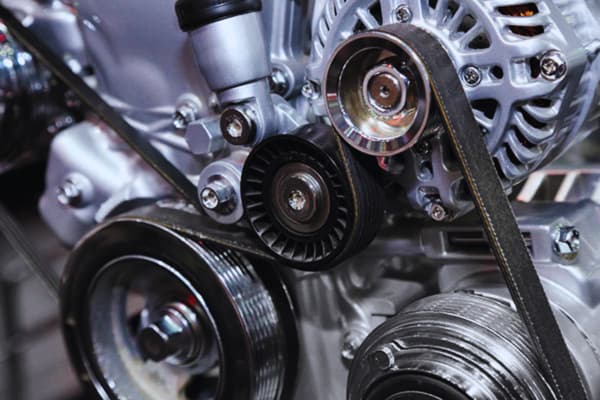
Belt tensioner reducing vibration that worsens Symptoms of a bad crankshaft position sensor

On a scope, a good CKP waveform shows even spacing and clean peaks. Dropouts or irregular teeth show mechanical or electrical faults.

Live data tips:

  • Sudden RPM drops during steady idle point to wiring

  • RPM freezing during crank indicates sensor failure

  • Timing advance swinging ±5–10° often links to CKP noise

Techs also compare cam and crank signals to detect stretched timing belts, tensioner failures, or slipped tone rings.

Crank sensor failures increase when vibration is excessive. Worn tensioners or idler pulleys can amplify that vibration. SUMATE designs high-durability tensioner components that help maintain belt stability, reducing vibration that can affect sensor life over time. 

Fix Crank Sensor Issues Early to Avoid Stalls and Costly Damage

A failing crank sensor doesn’t always announce itself loudly—until it does. Hard starts, sudden stalls, and timing issues can leave a driver stranded and cause secondary damage. Early diagnosis protects the engine and avoids comebacks. Clean data keeps an engine reliable, and reliable data begins with a healthy crank signal.

FAQ

Q1. Can I still drive with a bad crankshaft position sensor?
You can, but it's risky. A failing sensor often causes sudden stalls, especially when hot. Loss of power steering and brake assist makes driving unsafe. Fix it before daily use.

Q2. Is a crank sensor the same as a cam sensor?
No. One tracks the crankshaft, the other tracks the camshaft. Symptoms can overlap, but live data and fault codes usually reveal which one is causing the issue.

Q3. How much does replacement cost?
Most crank sensors cost $40–$150. Installed, the typical repair totals $200–$400. Engines with hard-to-reach locations may cost more due to added labor time.

Q4. Can I replace it myself?
If you have basic tools and safe access, the job is manageable. Follow torque specs and protect the connector. If space is tight or diagnosis is uncertain, use a pro.

Q5. Will a bad CKP sensor damage the engine?
The sensor itself won’t. But mistimed combustion can overheat the catalytic converter and wash fuel into the oil, leading to expensive secondary damage.

Q6. How do I know if my crankshaft position sensor is bad?
Look for long cranks, stalls, rough idle, weak acceleration, or a Check Engine Light. Live data showing erratic or zero RPM during crank is a strong indicator.

Q8. How do you know if your crankshaft is damaged?
A damaged crankshaft causes heavy vibration, knocking, metal in the oil, or oil pressure loss. It’s far more severe than a bad CKP sensor and requires teardown inspection.

Q9. Can a crankshaft sensor be bad without a code?
Yes. Intermittent failures may not trigger a fault code. Heat-soak issues and wiring dropouts often show up only in live RPM data or during a road test.


When to replace brake pads minimum safe thickness
Previous
When to replace brake pads minimum safe thickness
Read More
ABS warning light on dashboard illustrating five reasons why the ABS light is on
Next
Five reasons why the abs light is on
Read More