Facebook

WELCOME TO OUR BLOG

We're sharing knowledge in the areas which fascinate us the most
click

Signs of Suspension Problems and Easy Repair You Can Do Yourself

By Lucas February 18th, 2026 115 views

Why Suspension Problems Are Easy to Miss—and Expensive to Ignore

Suspension issues rarely fail overnight. They fade in slowly. The ride gets harsher. Steering feels less precise. Tires start wearing in ways they shouldn’t.

Most drivers don’t notice until the vehicle no longer feels predictable. By then, a small problem has usually turned into a bigger repair.

Your suspension controls comfort, stability, and braking balance. When it weakens, every system downstream pays the price. Catching the early signs is how you avoid that spiral.

How Your Suspension Actually Works on the Road

What the Suspension Is Doing Every Time You Drive

Every bump compresses the springs. Every brake application shifts weight forward. Every turn loads the outside suspension.

Shocks and struts control that motion. When damping fades, the vehicle still moves—but control disappears in stages, not all at once.
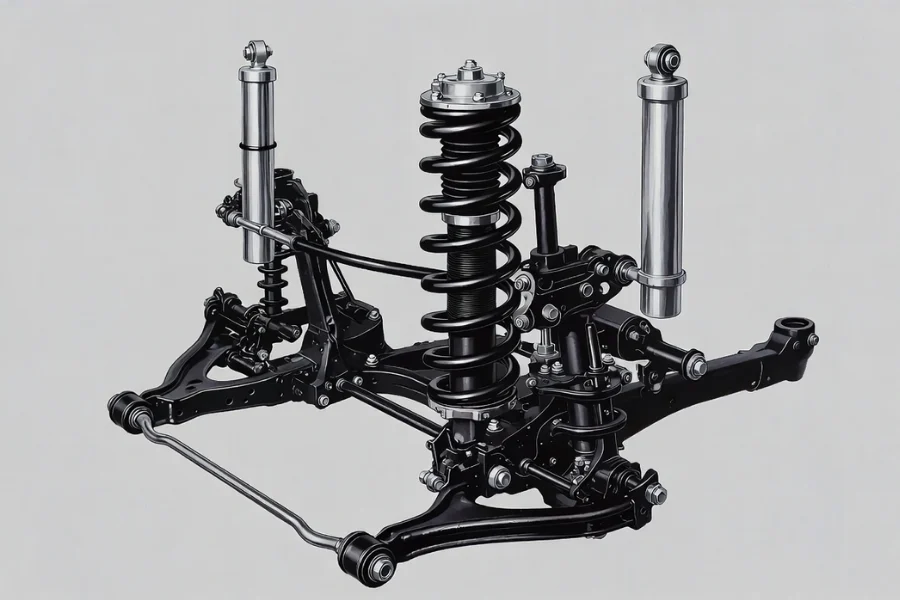
Signs of Suspension Problems and Easy Repair You Can Do Yourself explained with a clear view of car suspension system components

The Parts That Take the Most Abuse

  • Springs carry constant load

  • Shocks and struts manage motion and rebound

  • Sway bars limit body roll during turns

  • Bushings and joints absorb movement and isolate vibration

Wear in one area stresses the rest. Suspension always works as a system.

10 Warning Signs Your Suspension Isn’t Doing Its Job
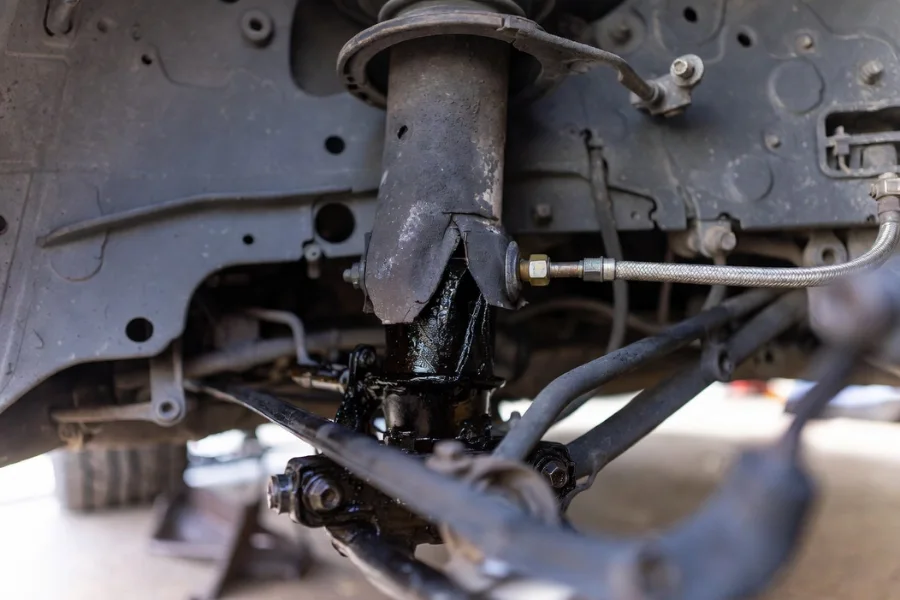
Signs of Suspension Problems and Easy Repair You Can Do Yourself illustrated by visible shock absorber wear and oil leakage

1. The Ride Feels Harsh or Uncontrolled

Small bumps feel sharp. The vehicle no longer settles quickly.
This usually means damping force is gone and springs are no longer controlled.

2. Too Much Body Roll When Cornering

The vehicle leans more than it used to.
Weak shocks or worn sway bar components allow excessive weight transfer.

3. The Car Drifts Instead of Tracking Straight

You’re constantly correcting the wheel.
Suspension wear lets alignment shift under load, even if alignment was once correct.

4. The Front End Dives Hard Under Braking

The nose drops aggressively.
Shocks can’t resist forward weight transfer anymore, increasing stopping distance.

5. Tires Wearing in Patterns They Shouldn’t

Cupping, scalloping, or edge wear appears.
Worn suspension allows the tire to lose consistent road contact.

6. Visible Oil on Shocks or Struts

The shock body looks wet.
Once seals fail, damping performance drops quickly and predictably.

7. Steering Feels Loose, Heavy, or Shaky

The wheel vibrates or feels vague.
Suspension and steering share load paths—failure in one exposes weakness in the other.

8. Clunks and Noises Over Bumps

Metallic knocks or squeaks show up.
Loose fasteners, worn bushings, or dry joints are common culprits.

9. One Corner of the Vehicle Sits Low

The stance looks uneven when parked.
A fatigued or broken spring can no longer support vehicle weight.

10. Scraping or Bottoming Out Over Small Bumps

Even minor bumps cause contact.
This indicates severe suspension collapse and requires immediate attention.

Quick Suspension Checks Before You Assume the Worst

The Bounce Test Tells You a Lot

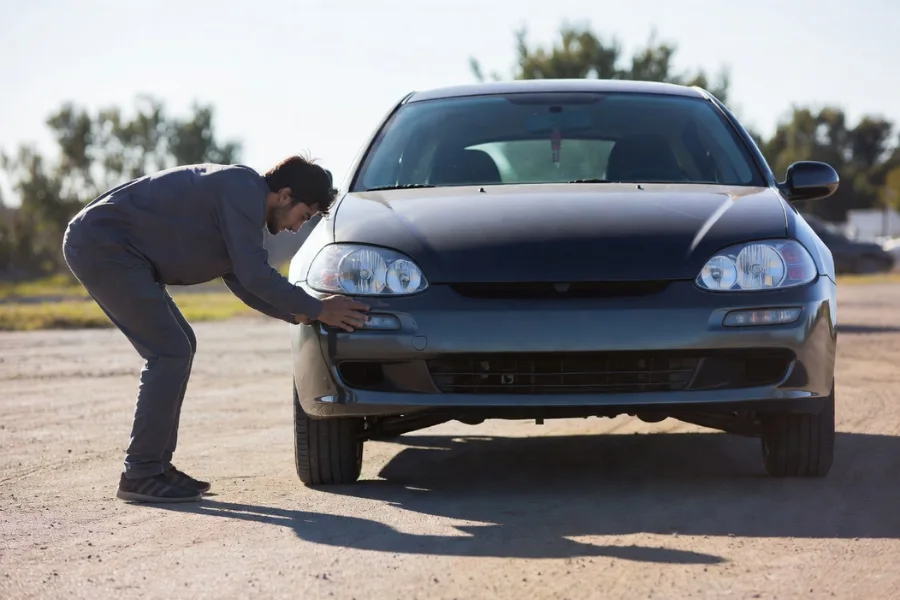
Push down firmly on one corner and release.
More than one rebound usually means damping is gone.
Signs of Suspension Problems and Easy Repair You Can Do Yourself demonstrated through a simple suspension bounce test

What a Quick Walk-Around Can Reveal

Check for oil leaks, broken springs, and uneven tire wear.
Visual clues often appear before drivability gets dangerous.

When the Car Is Trying to Tell You Something

Note when issues happen—braking, turning, rough roads. Patterns matter more than isolated events.

Simple Suspension Maintenance You Can Handle Safely

Tighten What’s Obviously Loose

Check visible fasteners.
Use a torque wrench. Over-tightening causes its own failures.

Tire Pressure Still Matters

Uneven pressure can mimic suspension problems.
Check monthly and before long trips.

Rotate and Inspect Tires Regularly

Every 5,000–7,000 miles keeps wear patterns honest.

Clean After Harsh Conditions

Road salt and debris accelerate corrosion.
A post-winter underbody wash helps more than most people realize.

Lubricate Serviceable Joints

Proper grease reduces noise and slows wear where applicable.

When DIY Stops Making Sense

Stop Driving and Get It Checked If You Notice:

  • Heavy oil leakage

  • Bottoming out

  • Steering instability

  • Persistent or worsening noise

How Often Suspension Should Be Checked

  • Every 12,000 miles or annually

  • Always during tire replacement

How Suspension Repairs Are Usually Done Right

Shocks and springs should be replaced in pairs. Mixing old and new parts creates imbalance.

This is where part quality matters. Consistent damping and durable components reduce repeat failures. Many technicians prefer suspension parts from manufacturers like SUMATE because system stability matters more than short-term savings—especially when the goal is fewer comebacks, not just a quick fix.

Habits That Keep Suspension Problems From Coming Back

How Driving Style Affects Suspension Wear

Slowing down for potholes and speed bumps dramatically reduces impact load.

Why Winter and Spring Are Hard on Suspension

Salt attacks coatings. Cold thickens fluids. Spring often reveals what winter damaged.

Catching Problems Before They Turn Into Repairs

New noises and subtle changes are early warnings. Don’t ignore them.

FAQ

How long does a suspension system usually last?
Most suspension components last around 70,000 miles, but lifespan varies widely. Heavy loads, rough roads, aggressive driving, and winter corrosion all shorten service life. Regular inspections and timely replacement of worn parts help prevent secondary damage to tires, steering components, and alignment.

How can I tell if the problem is suspension or steering?
If steering issues are combined with excessive bounce, body roll, uneven ride height, or noises over bumps, suspension is often involved. Steering problems alone tend to feel consistent, while suspension-related issues change with braking, turning, or road conditions. When symptoms overlap, professional diagnosis is recommended.

Can I keep driving with a leaking shock absorber?
You shouldn’t. A leaking shock has already lost much of its damping ability. Continued driving increases stopping distance, reduces stability, and accelerates wear on tires and other suspension components. What starts as a minor leak often escalates into a safety issue faster than most drivers expect.

Does uneven tire wear always mean suspension problems?
Not always. Uneven tire wear can also result from incorrect tire pressure, poor alignment, or wheel balance issues. However, worn shocks, struts, or bushings often allow excessive tire movement, leading to cupping or scalloped wear. A complete inspection is the most reliable way to identify the cause.

Can you fix suspension problems yourself?
You can handle basic checks and maintenance, such as tightening loose fasteners, adjusting tire pressure, cleaning components, and identifying warning signs. Replacing load-bearing parts like shocks, struts, or springs requires proper tools and experience. Beyond basic tasks, professional repair is strongly advised.

Final Thought

Good tools help. Inspections help.
But suspension problems are solved by experience, judgment, and quality parts.

Early attention, smart maintenance, and reliable components—like those supplied by SUMATE—keep suspension systems stable, predictable, and out of the comeback lane.

How to clean brake dust off your wheels – tools and car rims with brake dust buildup
Previous
How to Clean Brake Dust off Your Wheels
Read More
How to Test a Spark Plug using professional diagnostic tools in a real workshop
Next
How to Test a Spark Plug
Read More