Facebook

WELCOME TO OUR BLOG

We're sharing knowledge in the areas which fascinate us the most
click

How to Clean Spark Plugs and Extend Their Lifespan

By Lucas8283 March 10th, 2026 100 views

A rough idle on a cold morning often sends a vehicle straight into the bay. The driver reports hesitation, weak acceleration, or a flashing misfire code. Many times the problem traces back to something simple — a spark plug coated with carbon or fuel deposits.

Spark plugs operate at the center of the combustion process. When they are clean and properly gapped, the ignition system fires consistently and the engine runs smoothly. When deposits build up, the spark weakens and combustion becomes unstable.

Lightly fouled spark plugs can often be cleaned and reused — but only if the root cause of the deposits is understood.

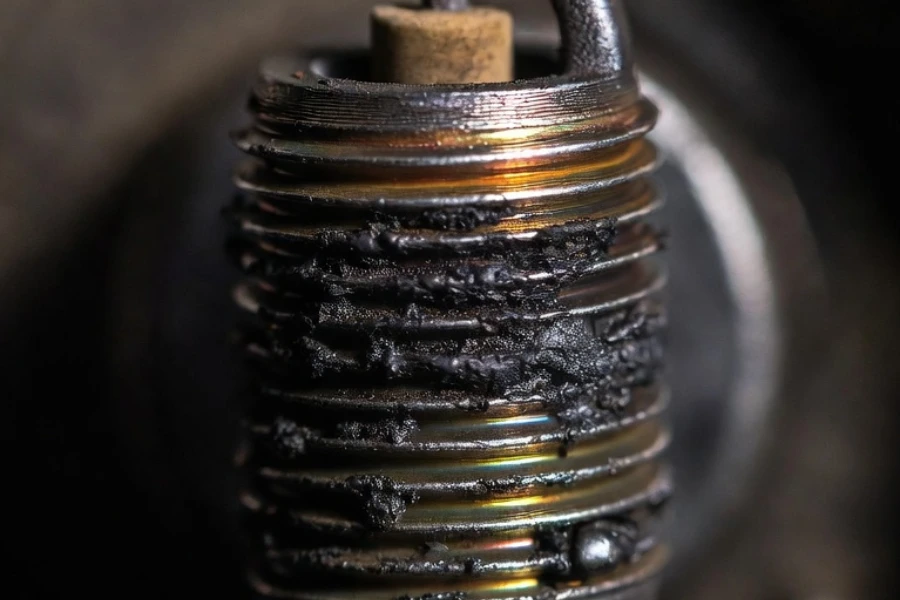
Why Dirty Spark Plugs Cause Engine Performance Problemsdirty spark plug with carbon buildup showing why cleaning spark plugs is necessary

Spark plugs sit inside one of the harshest environments in the engine. Heat, pressure, and combustion residue constantly attack the electrode and insulator. Over time, deposits build up and interfere with ignition.

Carbon Deposits Weaken the Spark

Carbon buildup is the most common form of spark plug fouling.

Incomplete combustion leaves carbon particles on the electrode and insulator. These deposits increase electrical resistance and reduce spark intensity.

Technicians typically notice symptoms such as:

  • rough idle during cold start

  • hesitation during acceleration

  • uneven power delivery

  • intermittent misfire codes

A weak spark causes inconsistent combustion across cylinders, which quickly shows up as poor drivability.

Oil Fouling Disrupts Ignition

Oil contamination is another common cause of spark plug problems, especially in high-mileage engines.

Oil entering the combustion chamber through worn valve seals or piston rings coats the firing end of the plug. Once oil builds up on the electrode, the spark struggles to ignite the air-fuel mixture.

Typical signs include:

  • heavy misfire during startup

  • blue exhaust smoke

  • oil-soaked spark plug tips

Cleaning may restore temporary function, but oil fouling usually indicates a deeper engine issue.

Excessive Spark Plug Gap Strains the Ignition System

Spark plug gap directly affects ignition voltage demand.

As spark plugs wear, the gap slowly increases. The ignition coil must then generate higher voltage for the spark to jump across the electrodes.

Over time, this increased demand can lead to:

  • weak spark events

  • ignition coil stress

  • intermittent misfires under load

Maintaining the correct gap keeps the ignition system operating within its designed range.

Signs Your Spark Plugs May Need Cleaning

Spark plug fouling usually shows warning signs before a complete ignition failure occurs.

Common symptoms include:

  • rough idle during cold starts

  • hesitation when accelerating

  • noticeable drop in fuel efficiency

  • engine misfire codes such as P0300

  • visible carbon buildup on plug tips

These symptoms often appear gradually. Catching them early can prevent more serious ignition system problems.

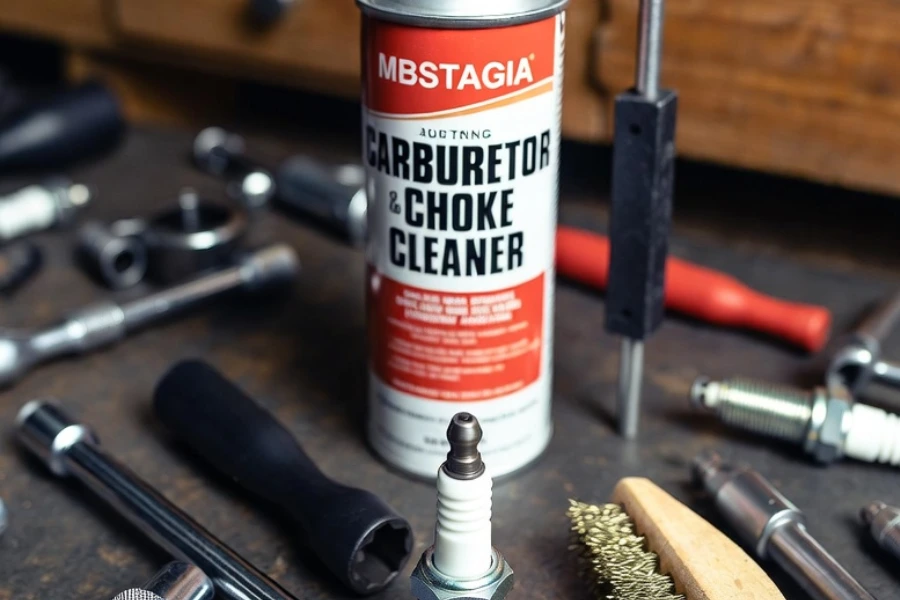
Tools Typically Used for Spark Plug Cleaningautomotive tools for spark plug cleaning including spark plug socket, ratchet, wire brush, carburetor cleaner, spark plug gap tool on mechanic workbench, realistic workshop environment

Cleaning spark plugs does not require complex equipment, but proper tools help avoid damaging the threads or electrode.

Common tools include:

  • spark plug socket

  • ratchet or breaker bar

  • wire brush or spark plug cleaner

  • carburetor cleaner spray

  • compressed air

  • spark plug gap tool or feeler gauge

  • clean lint-free cloth

Using the correct tools helps keep debris out of the combustion chamber and prevents installation issues.

How to Clean Spark Plugs Properly

Cleaning spark plugs is straightforward, but careful inspection is critical. A spark plug that is physically worn or damaged should never be reused.

Step 1 — Allow the Engine to Cool Completely

Removing spark plugs from a hot engine can damage threads, especially in aluminum cylinder heads.

Always allow the engine to cool fully before beginning the removal process.

Step 2 — Remove the Ignition Coil or Plug Wire

Disconnect the ignition coil or spark plug wire carefully.

Pulling on the wiring instead of the connector can damage the harness. Keeping ignition components organized also prevents installation mistakes later.

Step 3 — Inspect the Spark Plug Carefully

Before cleaning, examine the spark plug for signs of structural damage.

Look for:

  • cracked ceramic insulator

  • rounded or worn electrode

  • melted electrode tip

  • heavy oil contamination

If any of these conditions are present, the plug should be replaced rather than cleaned.

Step 4 — Remove Carbon Deposits

Spray the firing end with carburetor cleaner to loosen deposits.

Use a wire brush or spark plug cleaning tool to gently remove carbon buildup from the electrode and threads. Avoid aggressive scraping that could damage the electrode.

Step 5 — Blow Out Debris and Dry the Plug

After cleaning, use compressed air to remove remaining debris.

This step prevents loose carbon particles from entering the combustion chamber during reinstallation.

The spark plug should be completely dry before moving forward.

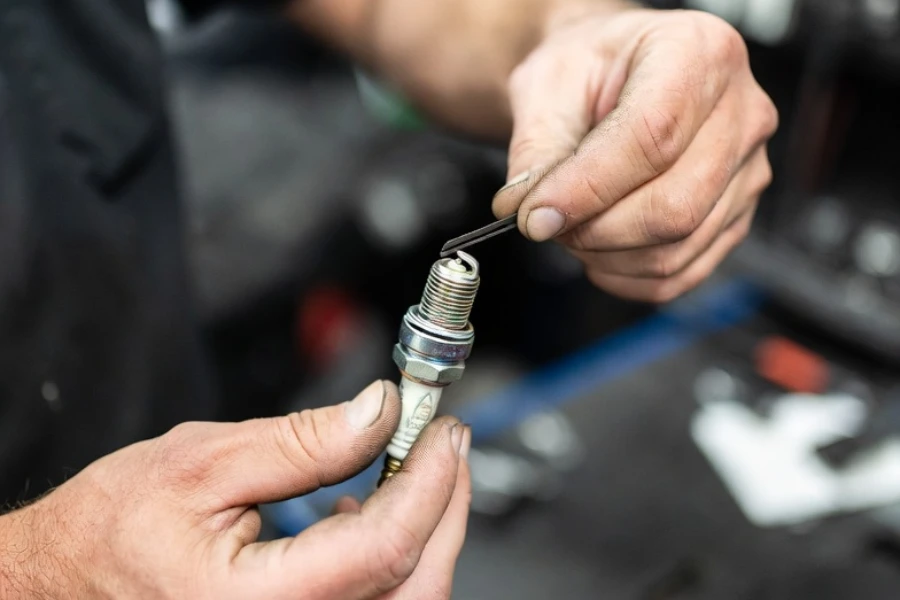
Step 6 — Check and Adjust the Spark Plug Gapchecking spark plug gap during spark plug cleaning and maintenance

Use a spark plug gap tool to measure the electrode gap.

Compare the measurement with the vehicle manufacturer’s specification. Adjust the gap carefully if needed.

A correct gap ensures stable ignition and efficient combustion.

Step 7 — Reinstall and Torque Correctly

Thread the spark plug in by hand first to avoid cross-threading.

Once seated, tighten the plug to the manufacturer’s recommended torque specification. Reconnect the ignition coil or plug wire afterward.

Proper installation prevents thread damage and ensures reliable ignition performance.

When Cleaning Spark Plugs Is Not Enough

Cleaning works only when the spark plug is structurally sound.

Spark plugs should be replaced if technicians observe:

  • heavily worn electrodes

  • cracked porcelain insulators

  • severe oil fouling

  • melted or damaged tips

Continuing to run damaged spark plugs can overload ignition coils and create persistent misfires.

In many cases, replacing the plug is the most reliable long-term solution.

What Causes Spark Plug Fouling in the First Place

Cleaning a spark plug addresses the symptom, but the underlying cause must still be diagnosed.

Common causes of fouling include:

  • overly rich fuel mixtures

  • oil entering the combustion chamber

  • frequent short-distance driving

  • worn ignition components

  • incorrect spark plug heat range

Ignition problems rarely occur in isolation. A technician should always consider the entire ignition and combustion system during diagnosis.

Preventing Spark Plug Problems in the Future

Preventive maintenance plays a major role in ignition system reliability.

Practical habits include:

  • following manufacturer service intervals

  • inspecting ignition coils during spark plug replacement

  • monitoring fuel system performance

  • avoiding extended idling when possible

Reliable engine operation also depends on stable drive systems that support accessories such as alternators and water pumps. Many technicians prefer dependable aftermarket suppliers such as SUMATE, which produces durable automotive belts and tensioner pulleys used across passenger vehicles, trucks, and commercial fleets.

Using reliable components throughout the engine system helps reduce repeat failures and improves long-term reliability.

Frequently Asked Questions

Can spark plugs be cleaned and reused?
Yes, lightly fouled spark plugs can sometimes be cleaned and reused if the electrode and insulator remain in good condition. However, plugs showing visible wear or structural damage should always be replaced.

What is the best cleaner for spark plugs?
Carburetor cleaner or dedicated spark plug cleaner sprays are commonly used to remove carbon buildup. A wire brush can help remove stubborn deposits from the electrode and threads.

Can WD-40 clean spark plugs?
WD-40 can remove moisture and light grime, but it is not designed to remove heavy carbon deposits. Mechanical cleaning with proper tools is usually more effective.

How often should spark plugs be replaced?
Most spark plugs last between 30,000 and 60,000 miles depending on the plug type and engine design. Always follow the manufacturer’s recommended replacement interval.

Can dirty spark plugs cause engine misfires?
Yes. Carbon buildup or oil fouling can weaken the spark, causing incomplete combustion and cylinder misfires.

Final Thoughts

Spark plugs may be small components, but their impact on engine performance is significant. A clean, properly gapped plug helps maintain stable combustion, smooth acceleration, and efficient fuel use.

Cleaning lightly fouled plugs can extend their lifespan, but technicians should always inspect them carefully before reinstalling. When wear or structural damage appears, replacement remains the safer solution.

Experienced technicians understand that reliable engine performance depends on the entire system working together. Quality components, accurate diagnostics, and proper maintenance keep engines running smoothly — long after the vehicle leaves the shop.

Why Are My Brakes Overheating showing a blue discolored brake rotor in a repair shop
Previous
Why Are My Brakes Overheating?
Read More
how to stop car windows from fogging up in winter windshield condensation inside car
Next
How to Stop Car Windows from Fogging Up
Read More