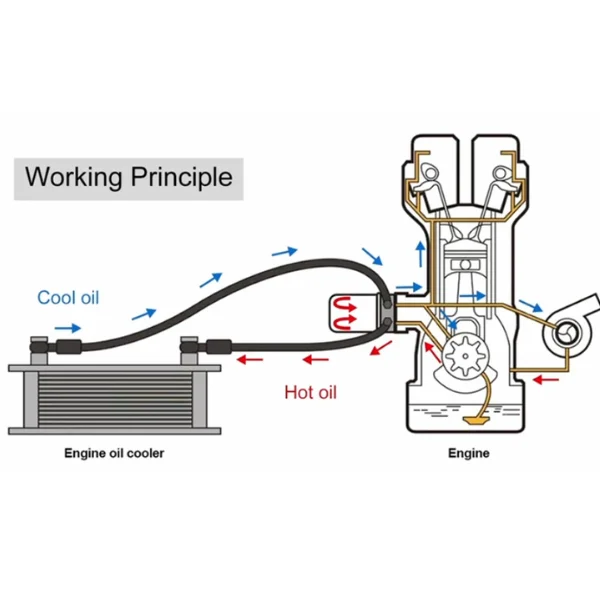
Every engine lives or dies by its oil.
Oil lubricates moving parts, carries heat away, keeps contaminants suspended, and protects metal surfaces from corrosion and wear.
For fleets, repair shops, and parts professionals, oil choice isn’t theoretical. It affects cold-start load, belt tension stability, pump strain, and long-term bearing life. Choose correctly, and the engine runs smoother with fewer comebacks. Choose poorly, and wear accelerates quietly but consistently.
Full synthetic, synthetic blend, and conventional oil all have a place. The key is knowing where the performance difference actually matters—and where it doesn’t.
Before oil type comes into play, specifications matter.
Two ratings determine whether oil protects the system properly: SAE viscosity and API performance level.

The “W” stands for winter.
The first number defines cold-flow behavior. Lower numbers move faster during cold starts, when oil is thick and system load spikes.
The second number reflects viscosity at operating temperature. Too thin, and film strength collapses. Too thick, and pumps work harder while oil flow slows.
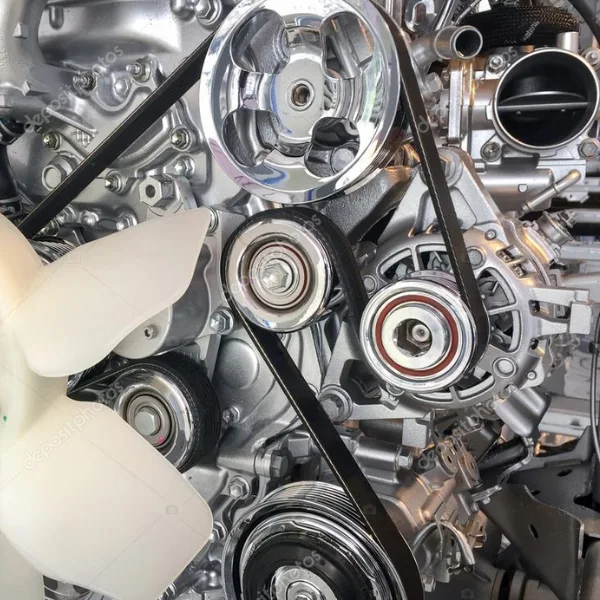
Cold viscosity doesn’t just affect bearings. In fleet and aftermarket service environments, it consistently shows up as added strain on belt-driven components, increasing load on tensioners and pulleys during startup.
API ratings measure wear control, cleanliness, oxidation resistance, and corrosion protection.
Newer ratings meet tighter standards designed around modern engines and emissions systems.
Oil type never overrides specification. Matching SAE and API requirements is the baseline for system reliability.
What it is:
Refined crude oil with a standard additive package.
Where it still makes sense:
Older, low-output engines with simple designs and steady operating conditions.
What changes in real use:
Molecular inconsistency leads to faster oxidation and viscosity breakdown. As oil degrades, film strength drops, increasing friction and heat. That extra resistance loads oil pumps and stresses belt-driven systems over time.
Clear judgment:
For older economy vehicles driven gently, full synthetic rarely delivers measurable system benefits. In these cases, premium oil becomes more reassurance than necessity.
What it is:
Chemically engineered base oils designed for uniformity, stability, and controlled performance.
What actually improves:
Cold starts get easier. Oil pressure stabilizes faster. High-temperature breakdown slows. Sludge formation drops.
That stability reduces transient load on pumps and tensioners, especially during short trips and repeated cold starts.
Clear judgment:
In short-trip, stop-and-go, cold-start-heavy driving, full synthetic isn’t optional—it’s functional protection. This is where it reduces real system stress, not just theoretical wear.
What it is:
A mix of conventional and synthetic base stocks, with performance between the two.
Where it fits best:
Daily-driven vehicles operating in moderate conditions where budgets matter but reliability still counts.
System-level effect:
Better oxidation resistance than conventional oil helps maintain viscosity longer, easing pump load and stabilizing belt-driven accessories.
Clear judgment:
For most urban daily drivers, synthetic blend is the most efficient balance between cost and protection.

Conventional oil brings higher cold-start load, shorter drain intervals, and more variability under heat.
Synthetic blend moderates pump strain and stabilizes accessory drive behavior.
Full synthetic minimizes cold-start shock, maintains oil film under load, and supports longer service intervals.
Older economy cars with light use can run safely on conventional oil without system penalty.
Urban fleets and short-trip vehicles benefit from synthetic blend or full synthetic to control cold-start stress.
High-load, turbocharged, or severe-duty engines should be on full synthetic to protect the entire drive system, not just bearings.
Oil choice should reduce system stress, not just meet a label requirement—something suppliers working closely with repair shops and fleet operators see play out repeatedly over time.
Can I switch from conventional to full synthetic?
Yes. Expect improved cleanliness and stability. On older engines, monitor seals after the switch.
Is thicker oil safer?
No. Excess viscosity raises pump load and restricts cold flow, increasing wear during startup.
Can I extend drain intervals with synthetic?
Only within manufacturer guidance. Oil life also depends on contamination and duty cycle.
Is full synthetic always the best choice?
From a pure performance view, often yes. From a system-efficiency and cost view, not always.
Oil pressure warnings.
Rough cold starts.
Dark, gritty oil.
Increased mechanical noise.
Falling fuel efficiency.
These signals point to rising friction and load throughout the system—not just inside the crankcase.
There is no universal “best” oil—but there is a best decision for each operating profile.
The right oil reduces cold-start shock, stabilizes belt systems, and protects components upstream and downstream of the crankshaft.
For technicians, fleet managers, and parts professionals, oil choice is never an isolated decision. It influences belt drive stability, tensioner behavior, pump load, and long-term component wear long before failure becomes visible.
At SUMATE (Suzhou Jiuneng Automotive Technology Co., Ltd.), working closely with fleets, repair shops, and aftermarket partners has reinforced the same pattern repeatedly: stable lubrication reduces system stress, extends component life, and minimizes avoidable comebacks. Understanding how oil behavior interacts with tensioners, pulleys, and bearings is just as critical as selecting the oil itself.
Quality parts support reliability. Skilled judgment sustains it. When lubrication strategy and component selection work together, engines remain predictable, service intervals stay controlled, and long-term trust is built where it matters most.
Choose oil based on how the engine actually works, not how the label sounds.