Facebook

WELCOME TO OUR BLOG

We're sharing knowledge in the areas which fascinate us the most
click

Tips on How to Safely Unfreeze a Car Door Quickly and Safely

By Lucas January 27th, 2026 163 views

Frozen Car Doors: Why Forcing Them Open Costs You Money

In winter, parking outdoors often means dealing with frozen doors and locks. It’s a common problem, but it’s also one that causes a lot of unnecessary damage. Yanking on a frozen door can snap a handle, tear a weather seal, or damage the latch mechanism. Those repairs cost far more time and money than the ice ever did.

This guide explains how to prevent frozen doors, how to unfreeze them safely, and when to stop trying and let the vehicle warm up instead. The goal isn’t just getting inside—it’s avoiding damage that shows up later.

Preventing Frozen Doors Starts Before the Temperature Drops

A Car Cover Keeps Moisture Out of Door Seams

A car cover is one of the simplest ways to prevent frozen doors. It blocks snow, sleet, and freezing rain from settling into door seams, locks, and weatherstripping. Choose a waterproof, cold-rated cover that fits snugly and protects the entire vehicle, not just the windshield.

Dry Locks and Seals Don’t Freeze as Easily
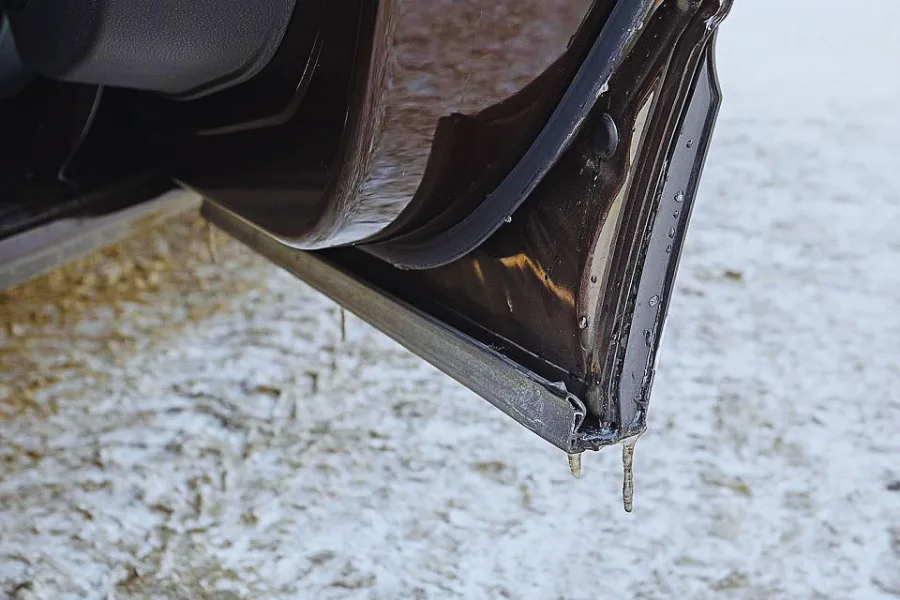
Tips on How to Safely Unfreeze a Car Door Quickly and Safely by protecting door seals from freezing

Moisture is the real problem. Light lubrication helps push water out and keeps parts moving when temperatures drop. Common options include silicone-based spray, WD-40 used lightly, graphite lubricant for lock cylinders, and glycerin or petroleum jelly for rubber seals.

Apply lubricant to door locks about once a month during winter. For seals, wipe on a thin film—enough to condition the rubber without leaving residue. Overusing chemicals can do more harm than good. The goal is moisture control, not soaking the parts.

A Treated Key Helps Break Ice Inside the Lock

Frozen locks often start at the keyway. Before winter, apply a light coat of petroleum jelly or alcohol-based hand sanitizer to the key, then insert it into the lock a few times. This leaves a moisture-resistant film that helps prevent ice from forming inside the cylinder.

Clean Seals Matter More Than Most Drivers Think

Dirty seals hold water. Road salt, grime, and debris increase moisture retention and speed up rubber aging. Clean weatherstripping regularly with a damp cloth, then apply a glycerin-based conditioner to keep it flexible and less likely to stick.

Cold weather exposes weak materials fast. This same principle is why winter is hard on belts, tensioners, and rotating components—durability matters when temperatures drop. Manufacturers like SUMATE, which focus on cold-weather reliability in belt and tensioner systems, design parts with that exposure in mind.

How Parking Direction and Shelter Make a Difference

Small parking choices help. If possible, park with the front of the vehicle facing east so morning sun can assist thawing. Garages, carports, and wind-sheltered spots reduce freezing even when temperatures stay low.

Unfreezing a Car Door Without Breaking Anything

Start by Checking Another Door

If the driver’s door won’t open, don’t fight it. Check the passenger doors or rear hatch. Getting inside through another door lets you warm the interior and avoids stressing frozen handles and latches.

De-Icer Sprays Work Fast When Ice Is Thin
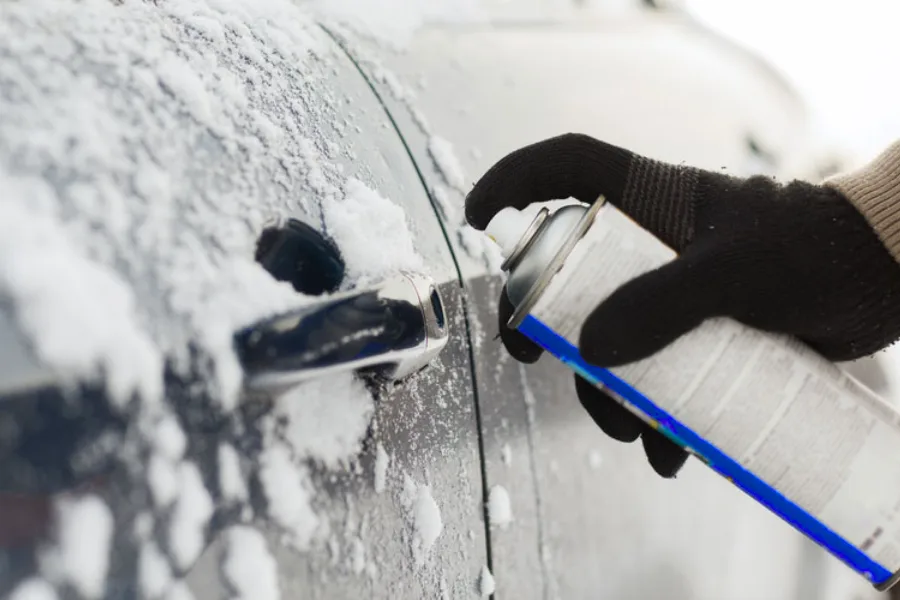
Tips on How to Safely Unfreeze a Car Door Quickly and Safely using de-icer spray on frozen locks

Commercial de-icers are designed for this situation. Spray the lock cylinder, door handle, and door seams. If needed, homemade mixes can work, such as vinegar and water (3:1) or rubbing alcohol and water (2:1, alcohol 90%+). Apply evenly and give it time to work.

Breaking the Ice Seal Without Using Force
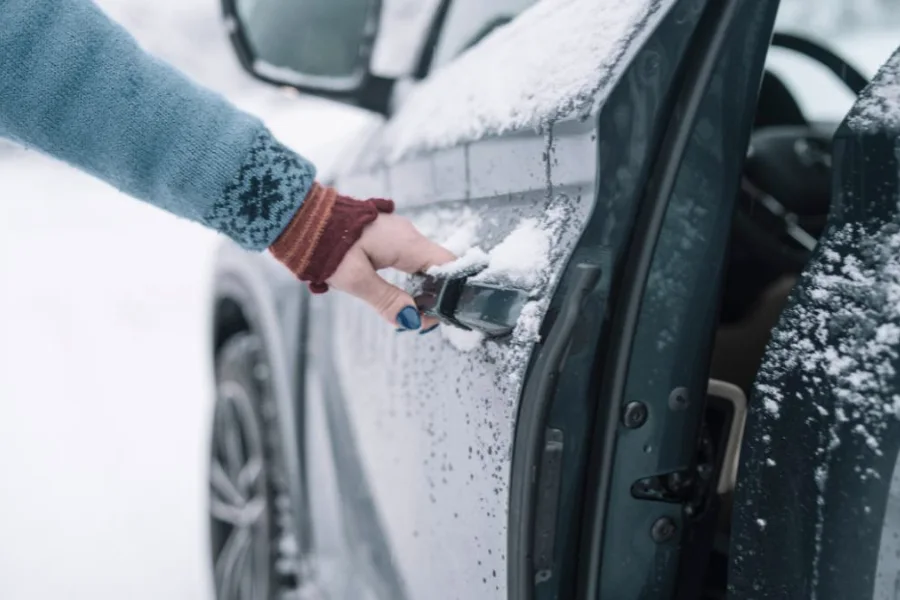
Tips on How to Safely Unfreeze a Car Door Quickly and Safely without forcing the door open

Ice often bonds the door to the frame. Press the door inward slightly, then pull the handle gently. This push-then-pull motion helps crack the ice seal. Use only plastic tools if scraping is needed. Metal tools damage paint and seals and create corrosion problems later.

Using Heat Carefully So You Don’t Crack or Warp Parts

Heat works, but only when controlled. Use lukewarm water, not hot water, and apply it to door seams and locks—not glass. Sudden temperature changes crack windows and stress paint. A hair dryer can help if power is available. Hold it about 12 inches away and keep it moving.

Heated keys are only for older mechanical keys. Never heat chipped or electronic keys. If temperatures are below about 10°F (-12°C), avoid water entirely. At that point, refreezing happens faster than melting.

Lubrication Helps When the Lock Still Won’t Turn

If the lock resists after thawing, apply a small amount of WD-40, graphite lubricant, or hand sanitizer into the cylinder. This can break remaining ice and restore movement. Avoid repeated use of alcohol-based products, which dry out rubber and shorten seal life.

Mistakes That Turn a Frozen Door Into a Repair Job

Avoid pouring boiling water on doors or glass, pulling hard on frozen handles, striking ice with rigid tools, applying heat to one spot too long, or using water in extreme cold. In severe conditions, stop DIY attempts. Warming the vehicle indoors or calling roadside assistance is safer than forcing frozen hardware.

FAQ

Why do car doors freeze in winter?
Car doors freeze when moisture gets trapped in door seals, lock cylinders, or latch areas. Snow or sleet melts during the day, then refreezes overnight. That ice bonds the door to the frame, making it feel stuck even though the latch itself is still functional.

Is it okay to use hot water to unfreeze a car door?
No. Hot or boiling water can crack glass, damage paint, and warp plastic due to sudden temperature shock. If water is used at all, it should be lukewarm and applied only to door seams or locks. In extreme cold, water should be avoided entirely.

What if the electronic key or key fob is frozen?
Never apply direct heat to an electronic key or fob. Heat can damage internal circuitry and batteries. Instead, use a de-icer spray on the door area or gently warm the surrounding metal surface. Entering through another door to warm the cabin is often safer.

How do you release a frozen door seal?
Frozen door seals usually need lubrication, not force. Apply a silicone spray or glycerin-based conditioner to the rubber seal and allow it to soak in for a few minutes. This helps break the ice bond and prevents tearing the seal when opening the door.

Will WD-40 help unfreeze a car door?
WD-40 can help displace moisture and free light ice inside locks or along door seams. It should be used sparingly and not as a daily treatment. Overuse can attract dirt and dry rubber over time, so follow up with proper seal conditioning when temperatures rise.

How often should preventive maintenance be done?
During winter, inspect and lubricate door locks and seals about once a month. Before the cold season starts, a more thorough cleaning and conditioning helps reduce moisture buildup and repeated freeze-thaw damage.

What should you do if none of these methods work?
Stop forcing the door. In extreme cold, continued attempts often cause damage. Move the vehicle into a heated space if possible or call roadside assistance. Allowing the car to warm up naturally is safer and cheaper than breaking hardware.

Small Winter Habits That Prevent Big Headaches

Check door seals, handles, and locks monthly for stiffness or cracking. Keep a winter kit in the vehicle with a plastic ice scraper, de-icer spray, small can of lubricant, gloves, and a towel. For long-term outdoor parking, use a cover and start the vehicle periodically to reduce moisture buildup.

Final Takeaway: Let the Ice Break, Not the Hardware

Frozen doors are part of winter driving, but broken handles and torn seals don’t have to be. When temperatures drop, weak materials fail first—whether it’s door seals or rotating components under the hood. Quality parts, routine checks, and sound judgment reduce winter failures long before ice becomes a problem.

Before the next cold snap, take a few minutes to inspect seals, lubricate locks, and adjust parking habits. Tools help, but experience, patience, and durable components are what keep winter from turning into repair season.

When is it too cold to wash your car in winter weather conditions
Previous
When Is It Too Cold to Wash Your Car?
Read More
Why Is My Shock Absorber Leaking? Understanding the causes, symptoms, and solutions for a leaking shock absorber to maintain vehicle safety and stability.
Next
Why Is My Shock Absorber Leaking? Causes, Symptoms, and Solutions
Read More