Facebook

WELCOME TO OUR BLOG

We're sharing knowledge in the areas which fascinate us the most
click

More Than Just Metal: Understanding the Core Components of Your Car's Engine

By zx October 14th, 2025 163 views

The "Heart" of the Engine: Introduction to Core Components

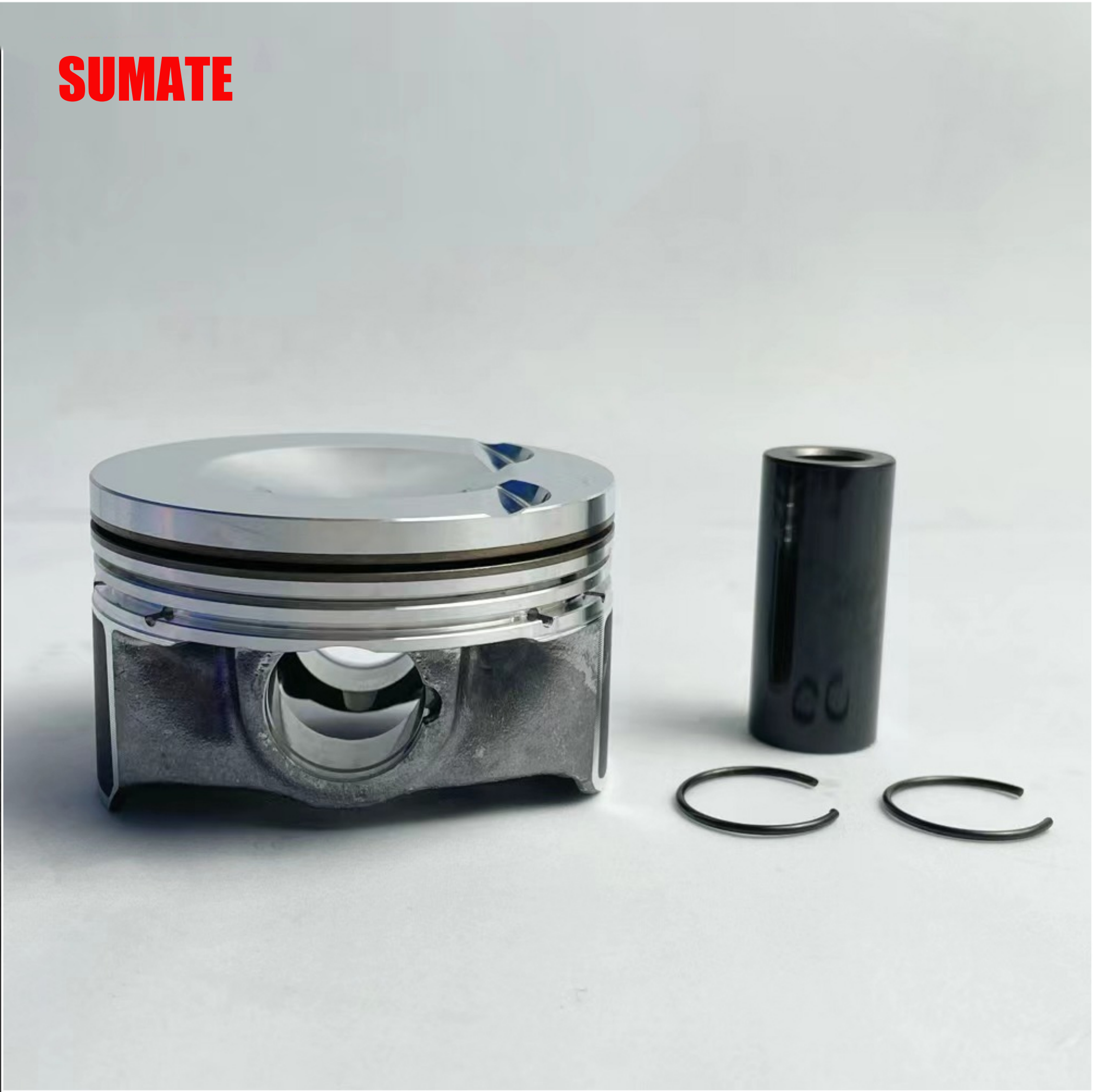
  1. Pistons and Crankshaft: The Energy Converters

    • Pistons move up and down within the cylinders, compressing the air-fuel mixture and withstanding the force of combustion.

    • The crankshaft converts the linear motion of the pistons into rotational force, which ultimately powers the wheels.

    • Simply put: The pistons are the "boxers," and the crankshaft is the "conductor," turning chaotic motion into unified rotation.


  2. Valves and Camshaft: The Engine's "Respiratory System"

    • Intake valves open to allow fresh air and fuel into the cylinder.

    • Exhaust valves open to let burnt gases escape.

    • The camshaft controls the precise timing of the valve openings and closings, ensuring "breathing" is synchronized with piston movement.

    • If they fail: This can lead to power loss, increased fuel consumption, and in severe cases, cause pistons and valves to collide, resulting in catastrophic damage.

Our Star Products: The Drive and Belt System

This is the critical system that ensures all the above components work in harmony, and it's our area of expertise.

  1. Timing Belt: The Engine's "Metronome"

    • Function: This rubber and fiber composite belt connects the crankshaft to the camshaft(s), ensuring the pistons and valves operate in perfect sync down to a millionth of a second. If its rhythm is off, the entire "symphony" falls apart.

    • Signs it needs replacement: Replace it strictly as per the manufacturer's recommended mileage or time interval (usually 60,000 - 100,000 miles/kilometers). Ignoring this can lead to severe engine damage.

    • Our Promise: We provide high-strength, wear-resistant timing belts to ensure your engine's timing is always precise.

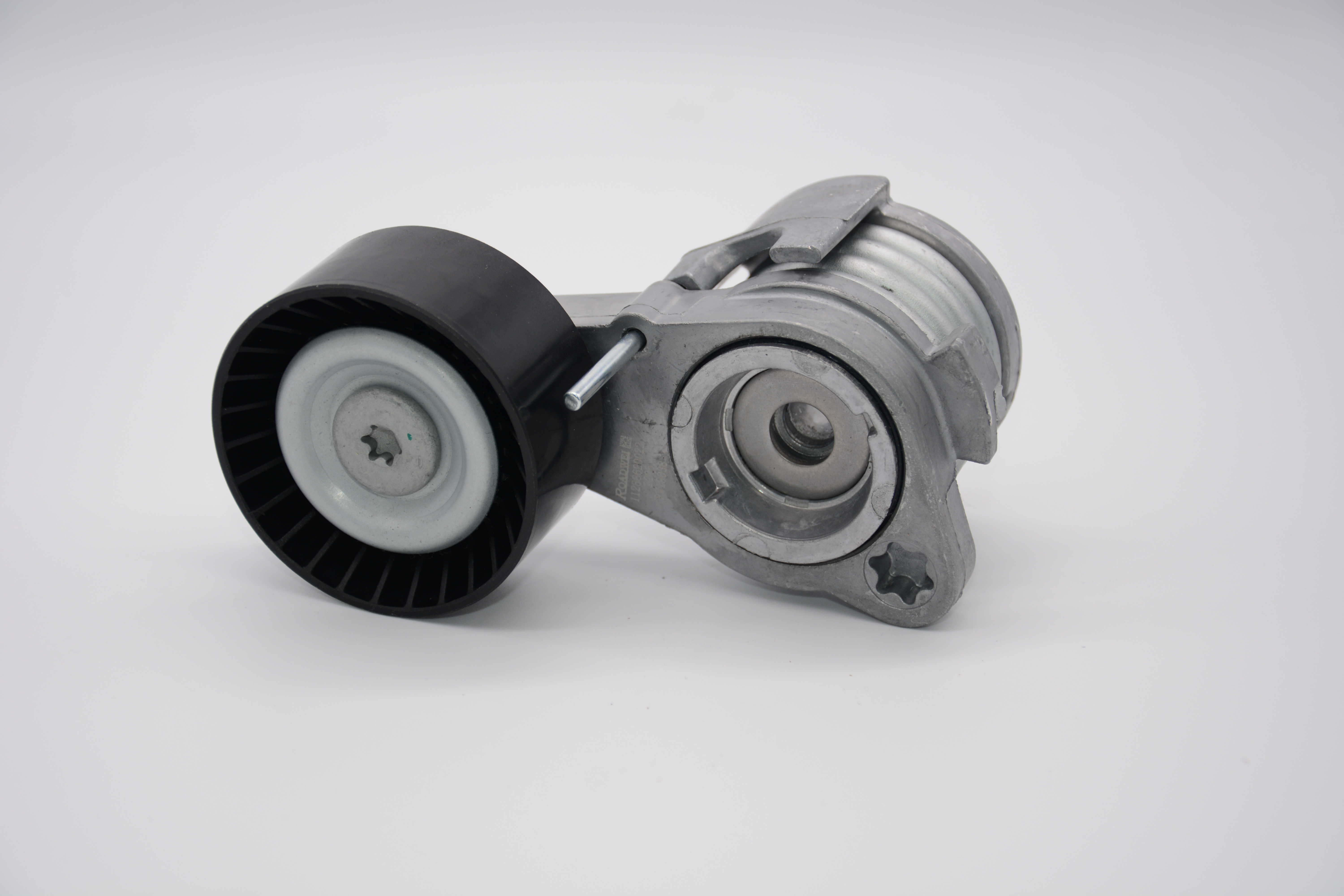
  2. Tensioner Pulley: The Belt's "Guardian"

    • Function: The tensioner pulley does exactly what its name suggests – it maintains the correct tension on the belt. Too loose, and the belt can slip, causing timing errors; too tight, and it accelerates wear on the belt and bearings.

    • Signs it needs replacement: It is typically replaced as a set with the timing belt. A constant squealing noise might indicate a failing tensioner bearing.

    • Our Promise: Our tensioner pulleys feature precision bearings and durable materials, providing stable and lasting tension, making them the perfect partner for your new belt.


  3. Serpentine Belt: The "Power Band" for Accessories

    • Function: This long, winding belt is driven by the crankshaft and powers multiple accessories simultaneously, such as the alternator, AC compressor, and power steering pump.

    • Signs it needs replacement: Squealing on startup, visible cracks on the surface.

    • Our Promise: We offer crack-resistant, heat-resistant serpentine belts to ensure all your vehicle's comfort features function smoothly.

Conclusion: Smart Maintenance for Long-Term Companionship

Understanding these key engine components, especially the timing system and belts, empowers you to make smarter maintenance decisions. A simple preventative replacement is far better than a costly engine overhaul.

At [SUMATE], we specialize in providing high-quality engine parts for all vehicle makes. Whether it's a timing kit or a drive belt, we ensure every product meets strict quality standards, offering reliable protection for your journeys.

Explore our online catalog today to find the perfect parts for your vehicle!

A Closer Look at SUMATE's High-Quality Truck Parts
Previous
A Closer Look at SUMATE's High-Quality Truck Parts
Read More
Camshaft vs Crankshaft: How This Core Duo Keeps Every Engine in Sync
Next
Camshaft vs Crankshaft: How This Core Duo Keeps Every Engine in Sync
Read More