Facebook

WELCOME TO OUR BLOG

We're sharing knowledge in the areas which fascinate us the most
click

Glazed Brakes: What They Are and How to Fix Them

By Lucas January 29th, 2026 119 views

Your brakes are one of the most critical safety features in your car. You rely on them every time you drive, so when they stop working as they should, it can be dangerous. Brake glazing is one issue that can make your brakes less effective, even when they seem fine. It can creep up without warning, leaving you with longer stopping distances, vibrations, or that “shudder” feeling when you press the pedal. In this article, we’ll explain what brake glazing is, how to spot it, and how you can fix it yourself—or when to get professional help.

What Are Glazed Brakes, and Why Should You Care?

Brake glazing happens when your brake pads or rotors get too hot, causing the friction material to harden and form a smooth, glossy surface. This smooth surface reduces the friction your brakes need to stop your car effectively. When that happens, your car won’t stop as quickly, and you might even feel vibrations or hear weird noises when braking.

How It Happens: Brakes use friction to turn the car’s movement into heat. But when that heat gets too high, the materials in your brake pads (and sometimes the rotors) overheat and form that slippery, glazed layer. It’s like trying to stop on ice—friction is just too low to work properly.

How to Spot Glazed Brakes Early
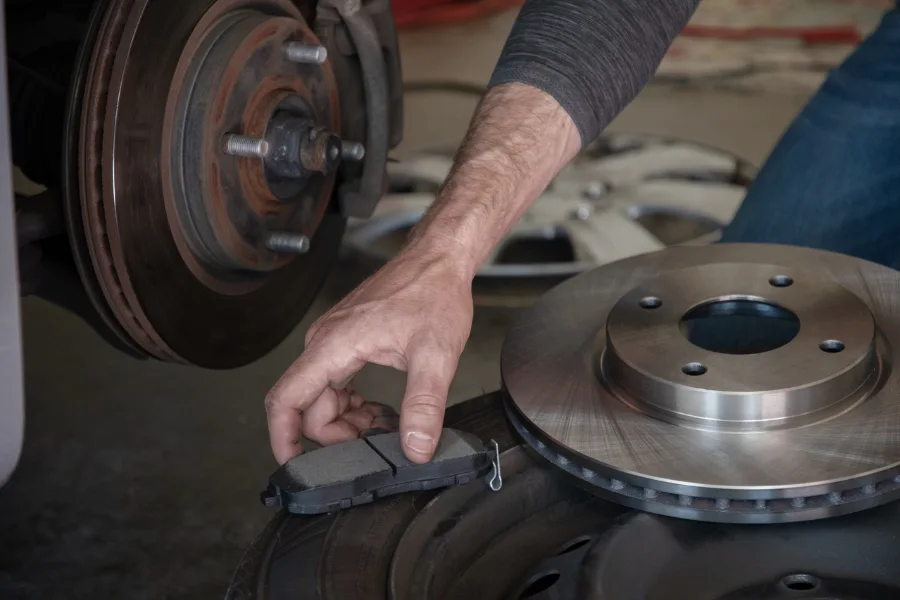
Shiny glazed brake disc: The appearance of glazed brakes with smooth, shiny surfaces that reduce braking power and increase stopping distance.

Catching brake glazing early is key to fixing it quickly and avoiding more serious damage. Here’s what to look out for:

  • Reduced Braking Performance: If your car doesn’t stop as fast as it used to, or the pedal feels soft, glazing could be the problem.

  • Squealing or High-Pitched Noises: A sharp squeak or squeal when you brake, especially when the car is cold, often means the brake pads are too smooth.

  • Vibrations: If the brake pedal shakes or pulses under your foot, that’s a sign that the glazing has caused uneven deposits on the rotor. You might also feel this in the steering wheel, especially at higher speeds.

  • Shiny, Glossy Pads or Rotors: Take a look through the wheel or remove the tire to inspect your brakes. If they’re shiny and smooth, that’s a clear sign of glazing. Healthy brakes should have a rougher, matte texture.

  • Burnt Smell: If you smell something burnt after braking hard or going downhill for a while, it’s a sign that your brakes have been too hot for too long.

Why Your Brakes Are Glazing Up

Brake glazing is usually caused by heat. Here’s how it happens:

  • Driving Habits:

    • Riding the Brakes: Keeping your foot lightly pressed on the brake pedal for a long time, especially when going downhill, generates constant heat.
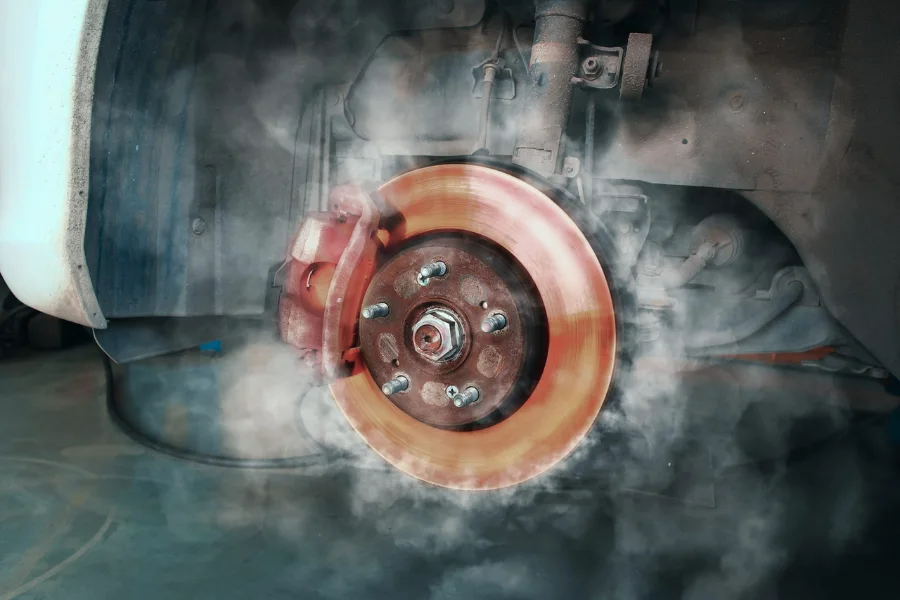
      Overheated brakes: Causes of glazed brakes, including excessive heat from hard braking or continuous braking on downhill slopes.

    • Hard Braking: Slamming the brakes repeatedly in traffic or when towing puts a lot of stress on your brakes, generating more heat than they can handle.

    • Braking on Hills: If you keep braking while going downhill, the brakes get hotter and hotter, increasing the chance of glazing.

  • Mechanical Problems:

    • Stuck Calipers: If the calipers don’t move properly, the brake pads can stay pressed against the rotors, causing heat to build up.

    • Collapsed Brake Hoses: If the hoses are damaged, the brakes can stay engaged even when you’re not pressing the pedal.

  • Part Quality and Installation Issues:

    • Low-Quality Brake Pads: Cheap brake pads can’t handle high temperatures, which makes them more likely to glaze.

    • Improper Installation: Installing the parts incorrectly, or not bedding in new pads properly, can also lead to glazing.

How to Fix Glazed Brakes

If you notice glazing, don’t worry. In most cases, you can fix it yourself. But if it’s more severe, it’s time to visit a mechanic. Here’s what to do:

Quick Fix: Can You Do It Yourself?

Before jumping into the repair, ask yourself:

  • Does your car feel like it’s taking longer to stop?

  • Can you see a shiny or smooth surface on the brake pads or rotors?

  • Is the issue only slight, like squeaking or performance loss?

If the answer is yes to any of these, then it’s likely a light glazing case, which you can fix with some basic tools. If the glazing is more severe, you may need to replace parts.

Step 1: Inspect the Brakes

  • Safety First: Lift your vehicle and remove the wheels.

  • Visual Check: Look for shiny or discolored surfaces on the brake pads and rotors. Check for any cracks or uneven wear.

  • Check for Stuck Parts: Make sure the calipers, hoses, and pistons are working properly and not causing the pads to drag.

Step 2: Fix the Problem
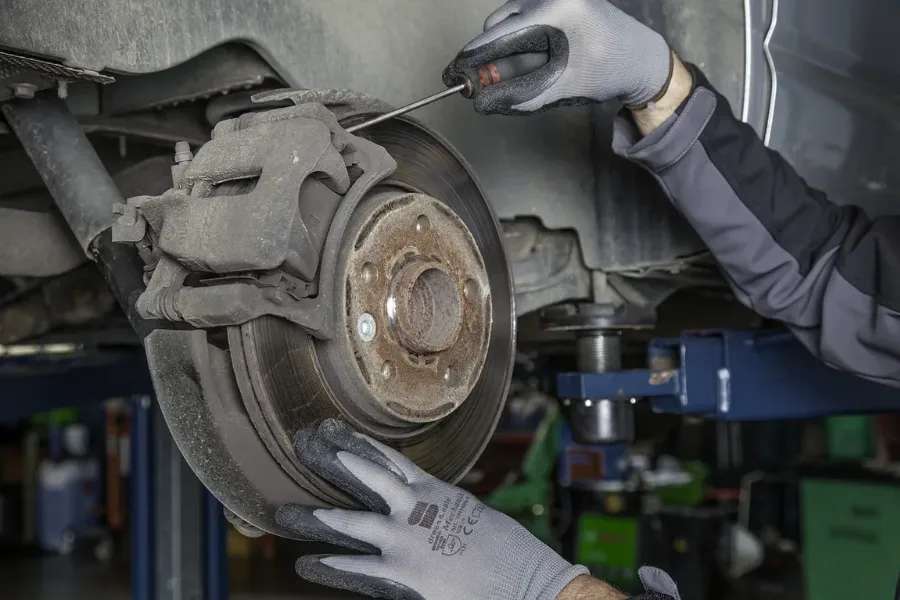
Sanding glazed brake pads: Step-by-step guide to fixing glazed brakes by sanding down the smooth surface to restore braking performance.

  • Light Glazing: If the pads are still thick enough, use 120-180 grit sandpaper to gently sand off the glazed surface. This restores the grip of the pads.

    • Important: This is a short-term fix. After sanding, be sure to bed in the new surface with a proper braking procedure.

  • Severe Glazing:

    • Replace the Pads: Once the pads are glazed deeply, they need to be replaced.

    • Resurface or Replace the Rotors: If the rotors are glazed, you can machine them (if thick enough) or replace them if they’re damaged.

Step 3: Properly Bed In New Brakes

  • After installing new parts, bedding in is crucial. This involves controlled stops to allow the new brake pads to settle and create an even friction layer on the rotors.

  • To do this: On a safe road, gradually speed up to 50-60 km/h and then brake moderately to 15-20 km/h. Repeat this 8-10 times, allowing the brakes to cool between stops.

Preventing Glazed Brakes

Preventing brake glazing is easier than fixing it. Here’s how to protect your brakes:

  • Use Engine Braking: On long downhill drives, downshift to control your speed and reduce brake heat.

  • Drive Smoothly: Anticipate stops and slow down gradually, rather than slamming the brakes.

  • Brake Intermittently: When driving downhill, brake in short bursts to give the brakes time to cool.

  • Invest in Quality Parts: Using SUMATE’s high-heat resistant brake pads and rotors can significantly reduce the risk of glazing, ensuring better performance and longer life for your braking system.

  • Regular Maintenance: Check your brake system regularly and replace parts when necessary.

FAQ

Is it safe to drive with glazed brakes?
No, glazed brakes reduce stopping power and increase braking distances, creating a significant safety risk. It’s crucial to fix glazed brakes promptly to ensure safe and reliable braking performance on the road.

How can I tell the difference between brake glazing and regular wear?
Brake glazing results in smooth, shiny surfaces on the pads, which reduces friction and causes braking performance to drop. In contrast, regular wear causes gradual, even thinning of the pad material with a rougher surface.

Can glazed brakes be fixed, or do I need new ones?
Minor glazing can sometimes be fixed by sanding the pads and rotors. However, for more severe cases, the pads and rotors should be replaced to restore proper braking performance and safety.

What causes brakes to be glazed?
Glazing occurs when excessive heat builds up from hard braking, riding the brakes, or long downhill drives. This heat causes the brake material to crystallize and harden, resulting in reduced stopping power.

How much does it cost to fix glazed brakes?
The cost of fixing glazed brakes varies. Replacing brake pads is relatively inexpensive, but if rotors need to be replaced or resurfaced, the cost can increase significantly. It's best to get an inspection to assess the extent of the damage.

The Bottom Line: Keep Your Brakes Glazed-Free for a Smoother Ride

Glazed brakes are more than just a nuisance; they can be a serious safety risk. By understanding what causes glazing, how to spot it early, and taking the right steps to fix and prevent it, you can ensure your brakes are always performing at their best. Regular maintenance, mindful driving, and using high-quality components like SUMATE's brake pads and rotors are key to avoiding this issue and staying safe on the road.

Why Is My Shock Absorber Leaking? Understanding the causes, symptoms, and solutions for a leaking shock absorber to maintain vehicle safety and stability.
Previous
Why Is My Shock Absorber Leaking? Causes, Symptoms, and Solutions
Read More
A close-up of a turbocharger, highlighting its detailed components, signifying the importance of a functioning turbo for engine performance.
Next
What Are the Signs of a Blown Turbocharger
Read More