Facebook

WELCOME TO OUR BLOG

We're sharing knowledge in the areas which fascinate us the most
click

Dirty Air Filter Symptoms: How to Tell If It’s Time for a Replacement

By Lucas December 17th, 2025 164 views

When a Simple Filter Starts Causing Real Problems

An engine air filter is the engine’s mask.
When it’s clean, airflow stays stable, combustion stays controlled, and the ECU barely has to intervene. When it’s dirty, the engine doesn’t fail right away—it compensates. That’s what makes this problem easy to miss and expensive when ignored.

This article breaks down seven real-world symptoms of a dirty air filter, explains how those symptoms usually show up in stages, and shows how experienced techs spot the issue early—before comebacks start stacking up.

Why a Restricted Air Filter Quietly Hurts Engine Performance

The engine air filter has one job: control what enters the intake stream.

It blocks dust, sand, pollen, and road debris before they reach internal engine components. More importantly, it helps maintain a stable air-to-fuel ratio, roughly 14:1, which modern engines depend on for predictable combustion and accurate sensor feedback.

When airflow drops, the ECU doesn’t panic. It adds fuel to maintain drivability. That strategy keeps the engine running smoothly for a while, but it also masks the root problem. Fuel trims creep up, efficiency drops, and symptoms build gradually instead of all at once. That delay is why dirty air filters cause so many misdiagnoses.

7 Warning Signs Your Engine Isn’t Getting Enough Air

Not all symptoms carry the same weight. In real service conditions, they usually appear in a pattern rather than all at once.

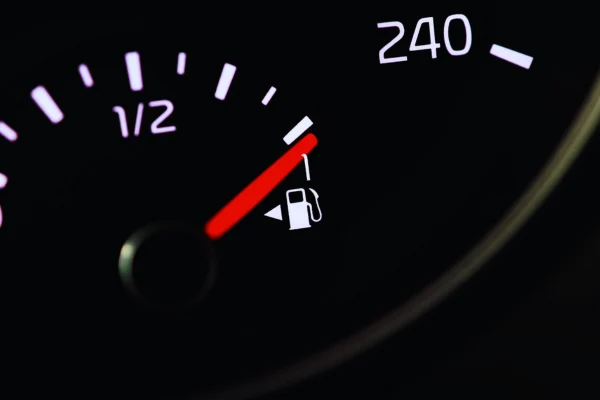
Fuel Economy Drops for No Obvious Reason

Fuel economy drop as an early dirty air filter symptom
Drivers often notice fuel mileage slipping before anything else feels wrong. As airflow decreases, the ECU increases injector pulse width to hold torque. The engine still feels smooth, but efficiency quietly suffers. This is often the first warning sign and the most overlooked because there are no codes or obvious drivability complaints yet.

Throttle Feels Soft and Power Falls Off

As restriction increases, throttle response dulls and the engine feels flat under load. Even with extra fuel, combustion efficiency drops. Power loss typically follows declining fuel economy, not the other way around, which means the filter is already well past lightly dirty at this stage.

Strange Intake and Combustion Noises Start Showing Up

Coughing, popping, gurgling at idle, or a whistling sound under throttle can start to appear. Restricted airflow changes intake dynamics, and the engine has to work harder to pull air through the filter. Noise complaints often show up before any warning lights.

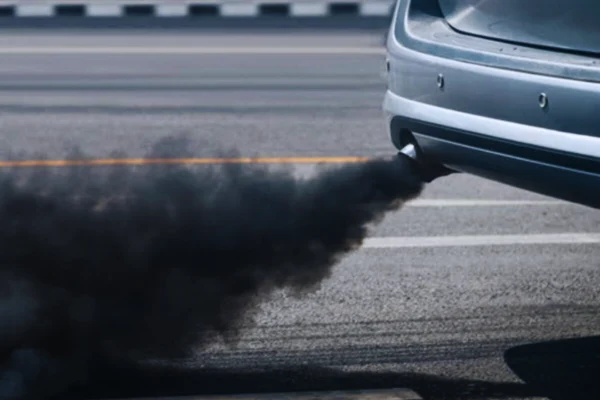
Black Smoke or a Strong Fuel Smell at the Tailpipe

Black exhaust smoke linked to dirty air filter symptoms
When excess fuel isn’t burning completely, carbon and unburned hydrocarbons exit through the exhaust. Black smoke or a strong gasoline smell usually indicates the ECU is running out of correction range and emissions-related components are seeing higher stress.

Rough Idle, Misfires, or Hard Starts

Prolonged rich operation leads to carbon buildup on spark plugs. Idle quality drops, misfires become noticeable, and cold starts get harder. At this point, replacing only the filter may not be enough to fully restore smooth operation.

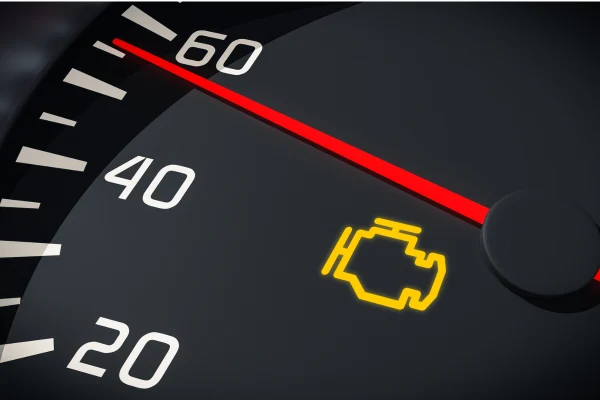
Check Engine Light Flags an Airflow Problem

Check engine light caused by long-term dirty air filter symptoms
The check engine light often comes late in the process. Oxygen sensors detect that fuel trims have exceeded allowable limits. Dirty air filters rarely trigger codes early, so when the light comes on, the restriction has usually been present for some time.

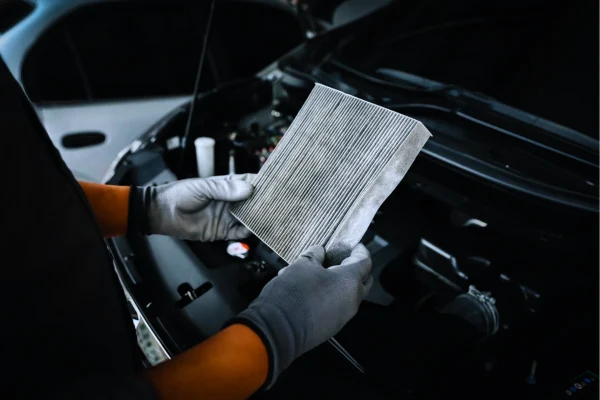
A Quick Look at the Filter Tells the Story

Visual comparison showing how to tell if a dirty air filter needs replacement
Removing the filter and holding it up to light often confirms what drivability symptoms already suggest. New filters appear white or light gray. Dirty filters look dark, clogged, and allow little to no light through the pleats.

When Inspection and Symptoms Say It’s Time to Replace the Filter

Mileage Is a Guideline — Not the Whole Story

Under normal city and highway driving, most air filters should be replaced every 12,000–15,000 miles or once a year. In dusty, desert, or unpaved conditions, that interval often drops to 6,000–10,000 miles. Premium or washable filters may last up to 30,000 miles, but only with regular inspection. Environment usually matters more than mileage.

Dust, Traffic, and Short Trips Change Everything

Frequent short trips load filters faster than steady highway driving. High pollution levels accelerate restriction. Even vehicles that sit unused still age filters over time as airborne contaminants settle. Air quality and usage patterns determine real service life.

Use Your Eyes and the Way the Engine Feels

Monthly visual checks are simple and effective. Always inspect after long trips or dusty driving. If fuel economy drops, throttle response softens, or idle quality changes, checking the air filter should be one of the first steps.

Replacing the Air Filter: A Quick Job with Real Payoff

Replacing an engine air filter is one of the fastest inspections with the highest diagnostic value. Locate the air filter housing, open it carefully, note the filter orientation, clean the housing if needed, and install the new filter with proper sealing. A five-minute check can prevent misfires, catalyst damage, and unnecessary sensor replacement later.

FAQ

How often should I replace my air filter?

Under normal driving conditions, most air filters should be replaced every 12,000–15,000 miles or once a year. In dusty, polluted, or off-road environments, replacement intervals should be shortened to around 6,000–10,000 miles. Driving conditions usually matter more than mileage alone.

How do I know when it’s time to replace my air filter?

A visual check is the fastest method. Remove the filter and hold it up to light. If light barely passes through or the pleats are dark and clogged, airflow is already restricted. Early signs also include rising fuel consumption and reduced throttle response before any warning lights appear.

What happens if I don’t replace it?

Neglecting a dirty air filter reduces fuel economy first, then power output. Over time, rich operation can foul spark plugs, increase emissions, and stress the catalytic converter. Long-term restriction may lead to drivability issues and unnecessary component replacements that cost far more than a new filter.

Can air filters be cleaned and reused?

Some high-performance or reusable filters are designed to be cleaned and re-oiled according to manufacturer instructions. Standard paper air filters are not reusable. Cleaning them does not restore proper airflow and may damage the filter media, making replacement the safer and more effective option.

What’s the difference between engine and cabin air filters?

The engine air filter controls airflow into the engine for combustion. The cabin air filter cleans the air entering the passenger compartment. They protect different systems, are located in different areas, and usually follow different replacement intervals, even though both affect overall vehicle performance and comfort.

How much does replacement cost?

Most standard engine air filters cost between $20 and $50. Premium or reusable filters cost more upfront but may last longer with proper maintenance. Labor costs are usually minimal since air filter replacement is one of the quickest service tasks on most vehicles.

Where should I replace it?

Air filters can be replaced at a dealership, independent repair shop, or at home. DIY replacement is common and requires minimal tools. The key is using the correct filter and ensuring it seals properly in the housing to prevent unfiltered air from bypassing the filter.

A Small Part That Makes a Noticeable Difference

Dirty air filters rarely cause sudden failures. They cause quiet inefficiency that gets masked by ECU corrections until limits are reached. Experienced techs don’t wait for codes. They watch fuel economy trends, throttle response, and early drivability changes. Catching the problem early means fewer comebacks, cleaner combustion, and less downstream damage. Tools help, but inspection habits, sound judgment, and quality parts are what actually fix the problem.

Understanding HID vs. LED headlights through night driving light comparison
Previous
Understanding HID vs. LED Headlights
Read More
What causes a bad wheel bearing and what are the symptoms such as noise and vibration
Next
What Causes a Bad Wheel Bearing and What Are the Symptoms
Read More