A car that shakes when braking gets attention fast. Sometimes it’s a light vibration through the pedal. Other times, the steering wheel shudders or the whole vehicle feels unsettled as speed drops.
This isn’t just about comfort. Brake vibration usually means braking force is no longer being applied evenly. When that happens, stopping distances change, components heat unevenly, and wear accelerates.
This article explains why cars shake when braking, how to read the symptoms without guessing, and what actually fixes the problem—based on how braking systems behave in real service conditions.
Braking is simple in concept but demanding in execution. Hydraulic pressure pushes pads against rotors. Friction slows the wheels. At the same time, vehicle weight shifts forward and loads the suspension and steering.
For braking to feel smooth, every part of that system has to respond evenly. When one component lags, drags, or grips inconsistently, that imbalance shows up immediately as vibration.
In short, brakes don’t create shake on their own. Uneven force does.
The causes below are ordered by how often they show up in real diagnostics, not by how dramatic they sound.

What you notice
Steering wheel shake or a pulsing brake pedal, especially during higher-speed stops.
Why it happens
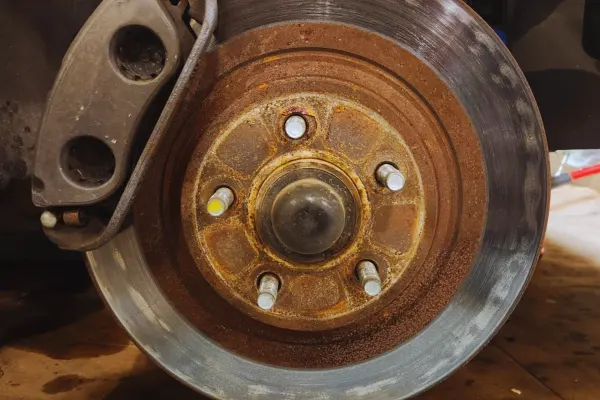
Repeated heat cycles and uneven wear change rotor thickness. As the pads clamp down, braking force rises and falls with each rotation instead of staying constant.
What to check
Visible hot spots, surface variation, or measurable runout and thickness variation.
What actually fixes it
Resurfacing if the rotor is still within spec. Replacement if it isn’t.
Professional repair
Yes. Measurement matters here.

What you notice
Vibration paired with squeal, chatter, or reduced stopping confidence.
Why it happens
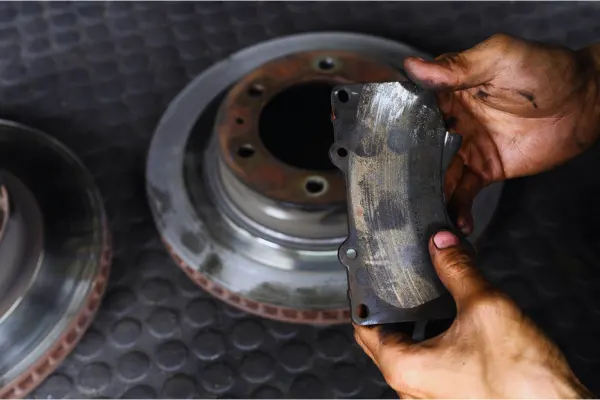
Worn, contaminated, or low-quality pad material doesn’t apply friction smoothly. Instead of controlled deceleration, the pads grab and release.
What to check
Pad thickness, glazing, cracks, or debris embedded in the friction surface.
What actually fixes it
Replacing pads and restoring clean, flat contact surfaces.
Professional repair
Strongly recommended.
What you notice
Pulling to one side, dragging brakes, or a wheel that runs hotter than the others.
Why it happens
A caliper that sticks applies uneven clamp force. One side does more work than the other, and vibration follows.
What to check
Uneven pad wear, restricted slide pins, leaking seals, or a piston that doesn’t retract smoothly.
What actually fixes it
Cleaning and lubricating hardware, or replacing the caliper when corrosion or seal damage is present.
Professional repair
Yes.

What you notice
Vibration at highway speeds that becomes more obvious when braking.
Why it happens
Out-of-balance wheels or misaligned geometry amplify vibration when braking loads the suspension.
What to check
Uneven tire wear, recent impacts, or a steering wheel that won’t center.
What actually fixes it
Proper wheel balancing and alignment.
Professional repair
Usually, yes.
What you notice
Body shake during braking, especially on rough or uneven roads.
Why it happens
Worn shocks, bushings, or joints can’t control weight transfer. Braking exposes that weakness instantly.
What to check
Leaks, looseness, cracked bushings, or excessive movement.
What actually fixes it
Replacing worn suspension components and restoring proper control.
Professional repair
Yes.
Secondary cause, often found during inspection
What you notice
Steering wheel vibration or vague steering feel when braking.
Why it happens
Play in steering components allows braking forces to travel directly into the wheel instead of being absorbed.
What to check
Tie rods, steering rack play, and related hardware.
What actually fixes it
Component replacement followed by alignment.
Professional repair
Yes.
Secondary cause, rule-out item
What you notice
General vibration that worsens during deceleration.
Why it happens
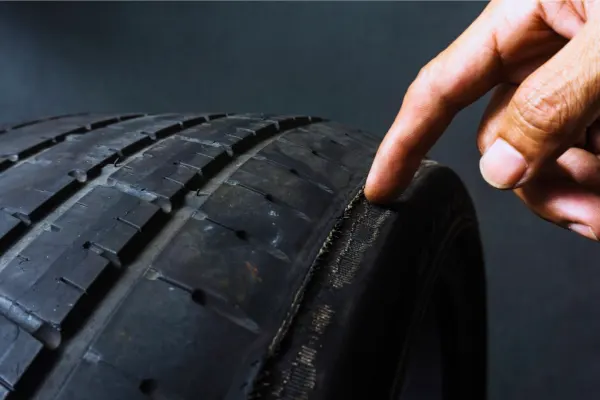
Aged rubber, flat spots, or internal tire damage reduce consistent contact when braking loads the tire.
What to check
Tread depth, sidewall cracks, bulges, or uneven wear.
What actually fixes it
Replacing tires and balancing the set.
Professional repair
Often recommended.
Patterns matter.
High-speed shake usually points to rotors, wheel balance, or alignment.
Steering wheel vibration often traces back to front rotors, steering, or suspension.
Whole-vehicle shake is more commonly tied to suspension issues, tire problems, or caliper drag.
Symptoms don’t replace inspection, but they shorten the diagnostic path.
Brake vibration rarely appears overnight. It builds gradually as small imbalances stack up.
Inspect pads and rotors regularly.
Balance and align wheels every 10,000–20,000 km.
Avoid repeated hard stops that overheat components.
Check suspension and steering during routine service.
Preventive checks reduce comebacks and protect long-term reliability.
Is it safe to keep driving if my car shakes when braking?
No. Brake vibration usually means braking force is uneven. That can increase stopping distance, accelerate component wear, and reduce control during emergency stops. Short trips at low speed may feel manageable, but continued driving—especially at highway speeds—raises safety risk and often leads to more expensive repairs later.
How can I tell if the issue is brake pads or brake rotors?
Rotor-related problems often cause steering wheel shake or pedal pulsation, especially at higher speeds. Pad issues are more likely to add squealing, chatter, or inconsistent bite. Symptoms can overlap, so a visual inspection and proper measurement are the only reliable ways to confirm which component is at fault.
When is brake shaking usually most noticeable?
Brake shake is typically more noticeable during high-speed braking, hard stops, or when slowing down on uneven roads. These conditions place higher load on the braking and suspension systems, which makes uneven force or worn components easier to feel through the steering wheel, brake pedal, or vehicle body.
Can I diagnose brake shaking myself?
You can perform basic checks, such as inspecting tire condition, checking lug nut torque, or noting when the vibration occurs. However, confirming issues like rotor runout, caliper drag, or suspension play requires proper tools and experience. For brake-related vibration, professional inspection is strongly recommended.
How can I prevent brake vibration from coming back?
Regular brake inspections, proper wheel balancing and alignment, and timely replacement of worn pads and rotors help prevent vibration. Avoid repeated hard braking that overheats components, and address suspension or steering wear early. Preventive maintenance reduces uneven force buildup and lowers the risk of recurring brake shake.
How much does it usually cost to fix brake shaking?
Repair cost depends on the cause. Replacing brake pads is typically lower cost, while rotors, calipers, or suspension components increase expense. Ignoring early vibration often leads to multiple parts needing replacement, so addressing the issue early usually saves money and prevents unnecessary secondary damage.
If the car only shakes during braking, is it always a brake problem?
Not always. While brakes are the most common cause, worn tires, wheel imbalance, suspension wear, or loose steering components can also create vibration that shows up mainly during braking. A complete inspection is the best way to rule out non-brake causes and avoid misdiagnosis.
Brake vibration is a system issue. Measuring tools help. Replacement parts matter. But experienced judgment is what identifies where balance was lost and restores it correctly.
At SUMATE, years of working with load-sensitive automotive components reinforce the same principle seen in the bay every day: stable systems depend on parts that respond consistently under real operating conditions. When components work together as intended, vibration doesn’t get a chance to start.
Fix the root cause, not just the symptom. That’s how shake stays out of the vehicle and off the road.