Most EGR complaints show up the same way on the shop floor. A cold start stumbles harder than it should. A truck falls flat when the driver leans into the throttle. A check engine light flags flow or temperature issues before the customer even describes the problem.
All of those point to combustion heat climbing higher than the ECU can control. When temperatures spike, nitrogen and oxygen fuse into NOx—a harsh pollutant every emissions standard targets.
Automakers still rely on exhaust gas recirculation because it keeps NOx down without redesigning the entire engine. The EGR valve sits at the center of the system. When it works, the burn stays cool and clean. When it drags or sticks, the effects spread fast.
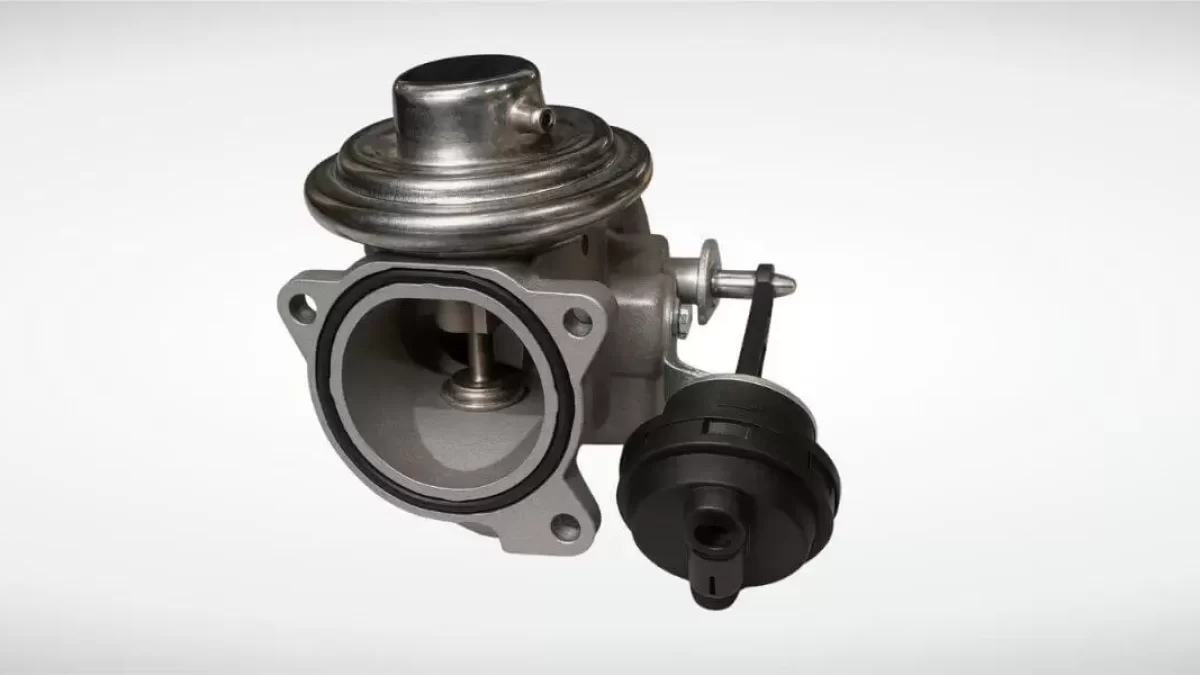
In simple terms, the EGR valve meters exhaust from the manifold back into the intake. It sounds straightforward, but the job demands precision. The valve must blend the right amount of oxygen-poor exhaust into the incoming air charge without upsetting airflow or engine stability.
Here’s the logic. Exhaust contains almost no oxygen. Mixing a controlled percentage into the intake lowers the oxygen density of the next combustion event. Lower oxygen means lower peak temperature, and lower temperature cuts NOx formation sharply.
Most EGR valves stay closed until commanded by the ECU. Older systems use vacuum. Newer ones use electric actuators with position feedback. None of them add power. They exist to protect the engine from unnecessary heat and to keep emissions within spec.
EGR doesn’t run full-time. It comes online only when the engine can handle the added exhaust flow without stumbling or bucking. Live data makes this pattern easy to see.
A typical sequence looks like this:
Cold start: valve stays shut to stabilize idle
As coolant reaches operating temp: ECU commands gradual flow
Light-to-mid load cruise: valve modulates based on airflow and load data
Decel or unstable idle: valve closes again to prevent misfire
Key-off: system resets to zero flow
Once the valve opens, exhaust moves through narrow passages, mixes with fresh air, and cools the burn. When the system is healthy, the driver never notices a thing. Most engines give up less than 3% of available power to keep NOx under control.
EGR hardware lives in brutal conditions. Hot gas, soot load, moisture, oil vapor, and constant thermal cycling hit it every day. Failures follow predictable patterns every technician recognizes.
This is the number-one cause of stuck valves. Long idle times, low-quality fuel, short-trip driving, and weak PCV systems feed soot into the intake. That buildup slows valve travel and eventually locks the pintle in either position.
Diesel EGR coolers run hot and rely on healthy coolant flow. Low coolant, weak water pumps, restricted oil coolers, and dirty coolant choke off heat transfer. Once the cooler overheats, the valve cooks and sticks.
Years of expansion and contraction take their toll. Pintles warp. Motors drag. Springs lose strength. Older valves simply stop responding with the precision the ECU expects.
Modern EGR valves depend on actuators, position sensors, and temperature or flow feedback. Wiring corrosion, weak grounds, or sensor drift can trigger flow codes long before the valve itself fails.
Oil vapor, coolant steam, or intake sludge accelerates carbon buildup. These contaminants restrict passages and push the system toward early failure.
Technicians don’t guess at EGR issues. They follow symptoms and verify with live data because EGR flow affects how the engine breathes and burns fuel.
Weak acceleration
Hesitation under load
Flat power curve
Rough or uneven idle
Shaking at stoplights
Occasional stalls
Knock or light ping
Black smoke from soot overload
White smoke when a cracked cooler feeds coolant into the intake
Higher fuel consumption
Failed emissions from NOx spikes
Most ECUs flag:
Insufficient flow
Valve position out of range
Cooler temperature delta faults
NOx efficiency codes
All of these indicate the system isn’t managing heat the way the ECU commands.
Fixing EGR problems starts with understanding why the valve failed. Replacing a part without checking the upstream cause leads to comebacks.
A solid diagnostic routine checks:
Commanded vs. actual valve position
Airflow changes with EGR enabled
Cooler inlet/outlet temperature delta
Vacuum integrity or electrical control
Soot load inside the intake
This separates root cause from collateral damage.
Cleaning works when carbon buildup is moderate. Remove the valve, clean the pintle and passages, and confirm smooth travel before reinstalling. If the valve moves freely, it usually buys the system more life.
Replacement becomes the only smart option when you see melted components, cracked housings, dead actuators, or electrical failures. Any valve damaged by heat soak or coolant issues won’t recover with cleaning.
To extend EGR system life:
Use high-quality oil and fuel
Avoid extended idling
Maintain coolant health
Flush coolant at recommended intervals
Fix PCV or oil vapor problems early
Upgrade to a stronger cooler on high-heat diesel platforms
None of these are optional. They directly prevent repeat failures.
EGR deletes are often sold as quick solutions. In reality, they hide the real problem and create new ones that cost more to fix later.
In regions following EPA, Euro, or similar standards:
Deletes are illegal
Inspections fail immediately
Fines are steep
The vehicle becomes non-compliant for road use
Deleting the EGR system:
Masks cooling and lubrication issues
Forces the ECU to run without key data
Risks limp-mode behavior
Eliminates NOx control entirely
Pushes combustion temperatures higher than the engine was designed to handle
Most “EGR problems” begin upstream—coolant flow, oil contamination, or airflow restriction. Removing the valve only removes the warning sign, not the issue.
A healthy EGR system protects the engine from heat and keeps emissions within spec. Diagnostics, not guesswork, keep comebacks out of the bay. And while parts matter, it’s the technician’s understanding of how the system breathes, cools, and responds under load that solves the real problem.